From the candlelit sanctuary of Fátima to the ancient cathedrals of Lisbon and Braga, Portugal reveals a spiritual heritage shaped by centuries of devotion, tradition and extraordinary beauty. We explore the country's most sacred places and the pleasures of discovering them on a journey that combines faith, culture and quiet contemplation.
There is something about Portugal that lends itself to reflection. Perhaps it is the gentle rhythm of life in its historic towns, the church bells that punctuate the afternoon, or the small, flower-filled shrines tucked into the corners of ancient streets. Here, Catholicism is more than a chapter in the history books. It is woven into the country's identity, its architecture, its festivals and the traditions of everyday life.
For centuries, Portugal has welcomed pilgrims seeking solace, renewal and a deeper connection to their faith. Some have come to pray before the Virgin Mary in Fátima; others have followed ancient pilgrimage routes through the countryside or sought inspiration in the magnificent churches and monasteries left by generations of believers.
Yet a journey through Catholic Portugal offers more than a succession of sacred sites. It is also an opportunity to discover a country of remarkable beauty, where medieval towns give way to vineyard-covered valleys, where centuries-old traditions coexist with contemporary life, and where the pleasures of good food, warm hospitality and unhurried exploration are never far away. For those wishing to combine their faith with a deeper appreciation of Portugal, the journey begins in Lisbon.
Lisbon: In the Footsteps of Saint Anthony
Lisbon wears its Catholic heritage lightly but unmistakably. Its seven hills are scattered with churches and convents, their façades rising above narrow cobbled streets, while the city's distinctive light catches the gilded interiors and painted tiles that tell stories of saints, miracles and devotion.
Few figures are more closely associated with Lisbon than Saint Anthony. Although known throughout the Catholic world as Saint Anthony of Padua, he was born in the Portuguese capital in 1195 and remains one of its most beloved saints.
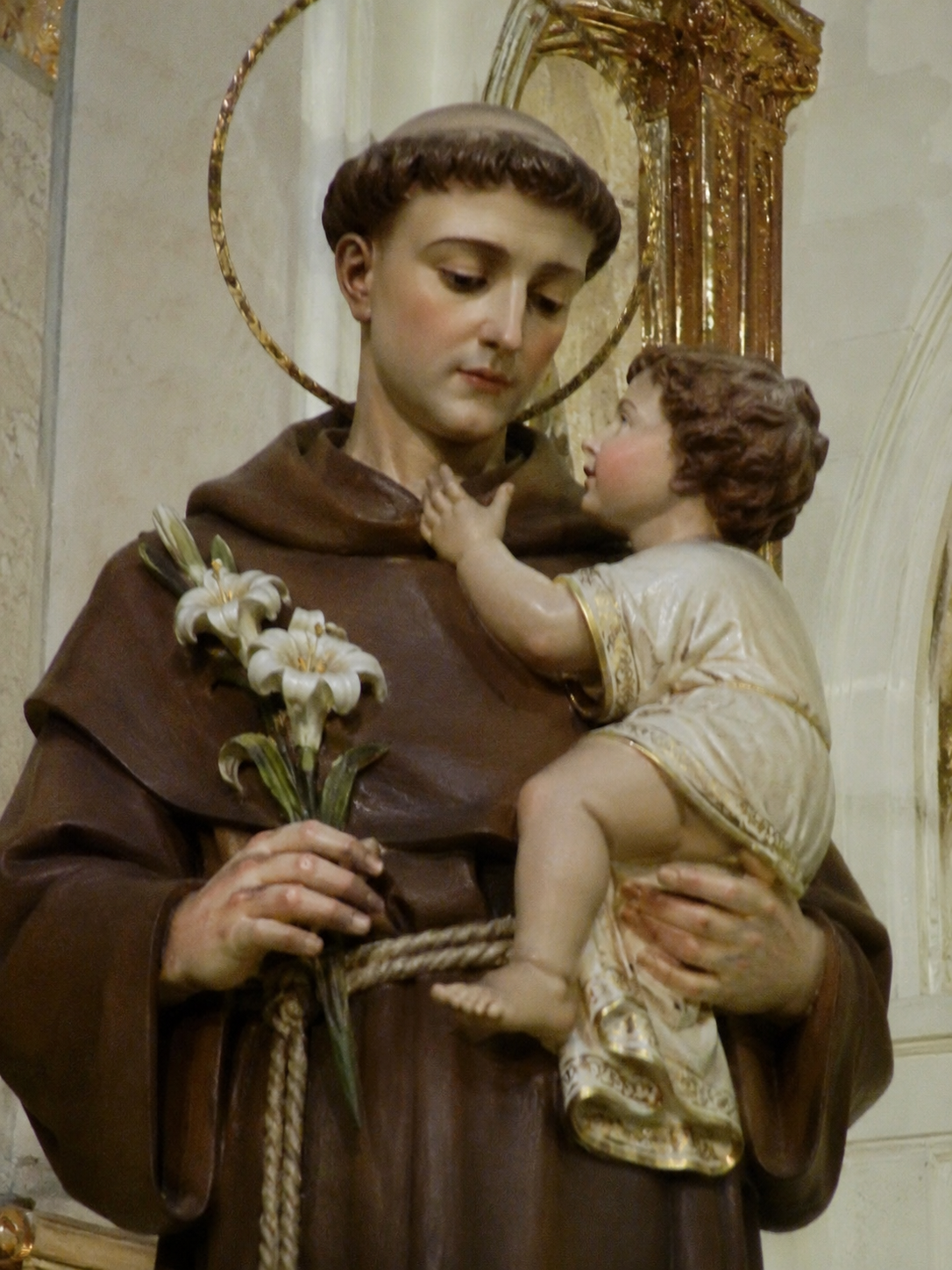
In the historic Alfama district, a small church dedicated to him stands on the site traditionally believed to be his birthplace. Just a few steps away, Lisbon Cathedral, with its imposing Romanesque towers, has witnessed almost nine centuries of the city's history. Elsewhere, the Church of São Roque conceals an extraordinary Baroque interior behind a comparatively modest façade, while the Monastery of São Vicente de Fora offers beautiful cloisters and a fascinating glimpse into Portugal's religious and royal past.
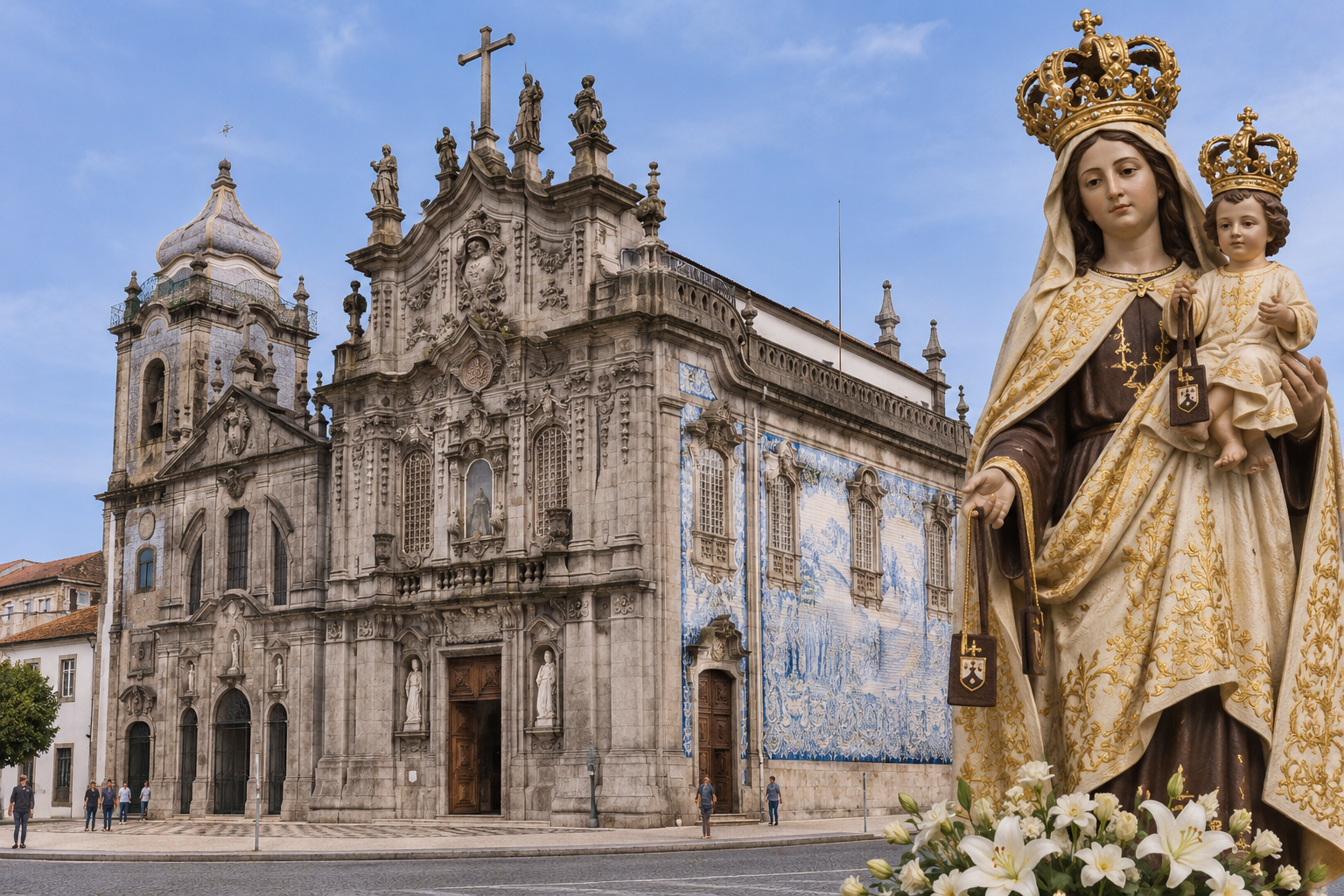
Lisbon's devotion to Saint Anthony reaches its most exuberant expression each June, when the city celebrates its patron saint with processions, music, street parties and the irresistible aroma of grilled sardines. It is a wonderful reminder that faith in Portugal is not confined to the quiet of its churches, but remains a living part of the country's culture.
Fátima: A Place of Extraordinary Devotion
Some 90 minutes north of Lisbon lies Fátima, a name recognised by Catholics across the world. In 1917, three young shepherd children — Lúcia dos Santos and her cousins Francisco and Jacinta Marto — reported a series of apparitions of the Virgin Mary in the rural parish of Fátima. Their accounts would transform this quiet corner of central Portugal into one of the most significant Marian pilgrimage destinations in the world.
Today, the Sanctuary of Our Lady of Fátima welcomes millions of pilgrims and visitors, drawn by faith, curiosity and the desire to experience a place that holds such profound meaning for so many.
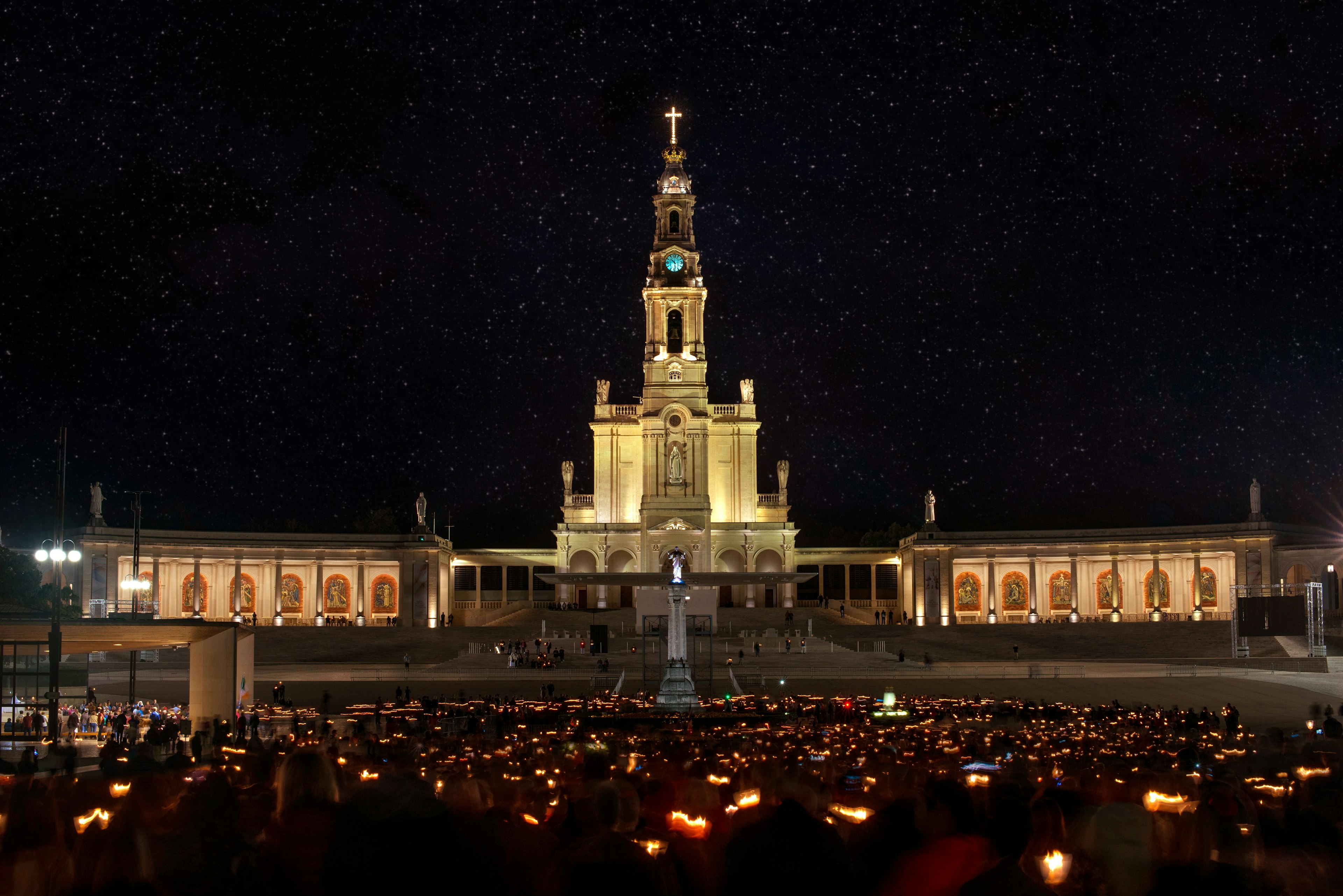
At the heart of the sanctuary stands the Chapel of the Apparitions, built at the location associated with the reported appearances of the Virgin Mary. Nearby, the graceful Basilica of Our Lady of the Rosary and the contemporary Basilica of the Holy Trinity reflect different chapters in the sanctuary's history. Yet perhaps Fátima is at its most moving after sunset.
On evenings when the candlelight procession takes place, pilgrims gather in the vast square, their candles flickering against the night sky as the Rosary is recited in different languages. Whether participating in prayer or simply observing, it is an experience of remarkable atmosphere and collective devotion.
Beyond the sanctuary, the surrounding countryside offers a more intimate connection with the story of Fátima. In the small village of Aljustrel, visitors can see the homes where the shepherd children grew up, while the peaceful paths of Valinhos invite quiet contemplation among olive trees and open fields.
Fátima deserves time. Rather than passing through on a hurried excursion, spending two nights allows visitors to experience its different rhythms, attend Mass, explore the surrounding sacred sites and enjoy moments of personal reflection.
Coimbra: Saints, Scholars and Medieval Portugal
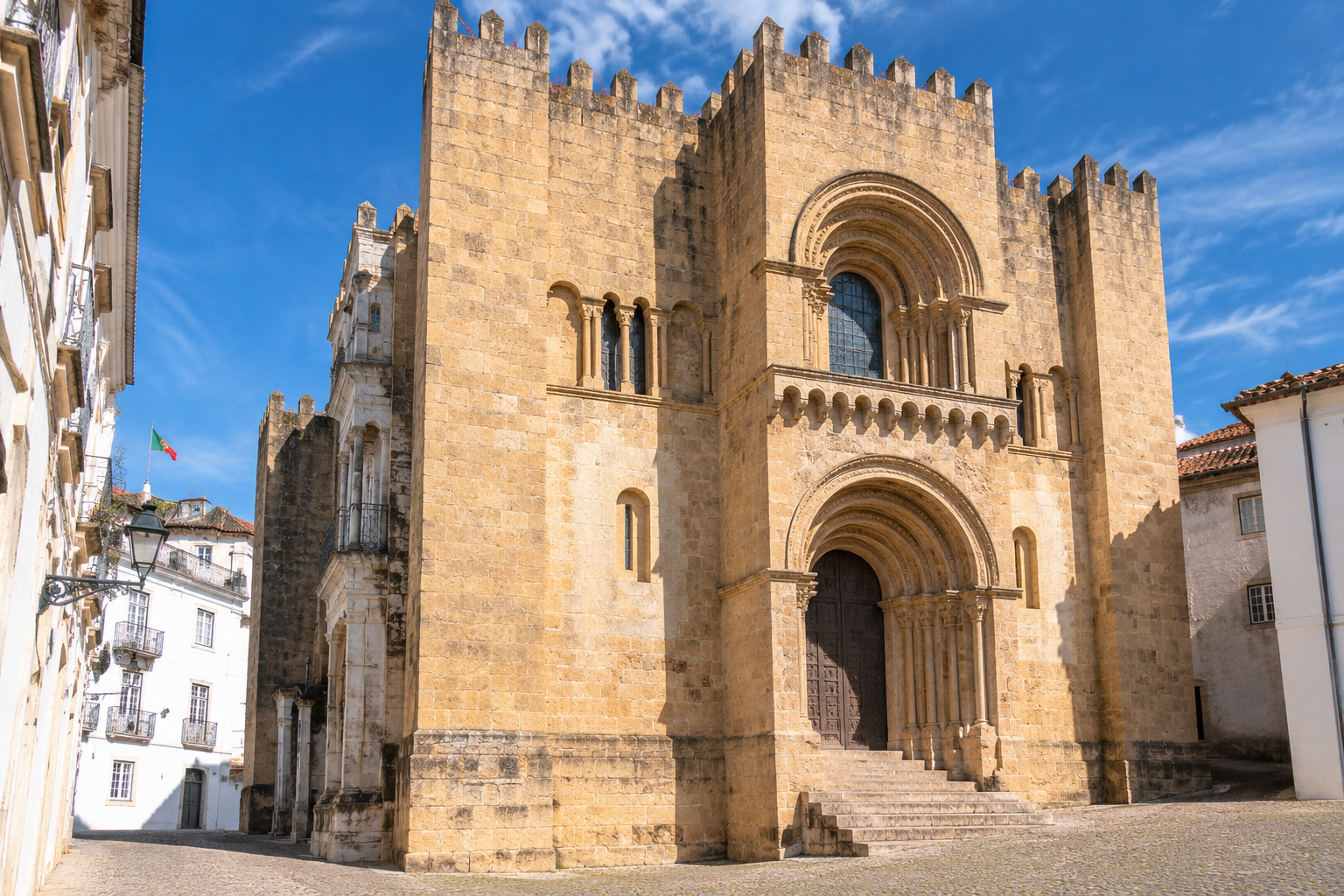
Continuing north, the historic city of Coimbra rises above the Mondego River, its ancient university buildings and cathedral dominating a picturesque collection of terracotta rooftops. Once Portugal's medieval capital, Coimbra has long been a centre of scholarship and religious life.
Its Old Cathedral, a remarkable example of Romanesque architecture, has stood at the heart of the city since the 12th century. Coimbra is also closely associated with one of Portugal's most revered saints, Queen Elizabeth of Portugal. Remembered for her generosity, devotion and efforts to reconcile political and family disputes, she spent her final years closely connected to the Franciscan community of Santa Clara. Her tomb rests in the Monastery of Santa Clara-a-Nova, overlooking the city from the opposite bank of the river.
There is a gentleness to Coimbra that makes it particularly appealing. Beyond its religious monuments, the city invites visitors to wander through medieval lanes, discover traditional cafés and enjoy the atmosphere of one of Europe's oldest university towns. It is a beautiful place to pause before continuing into the landscapes of northern Portugal.
Braga: The Rome of Portugal
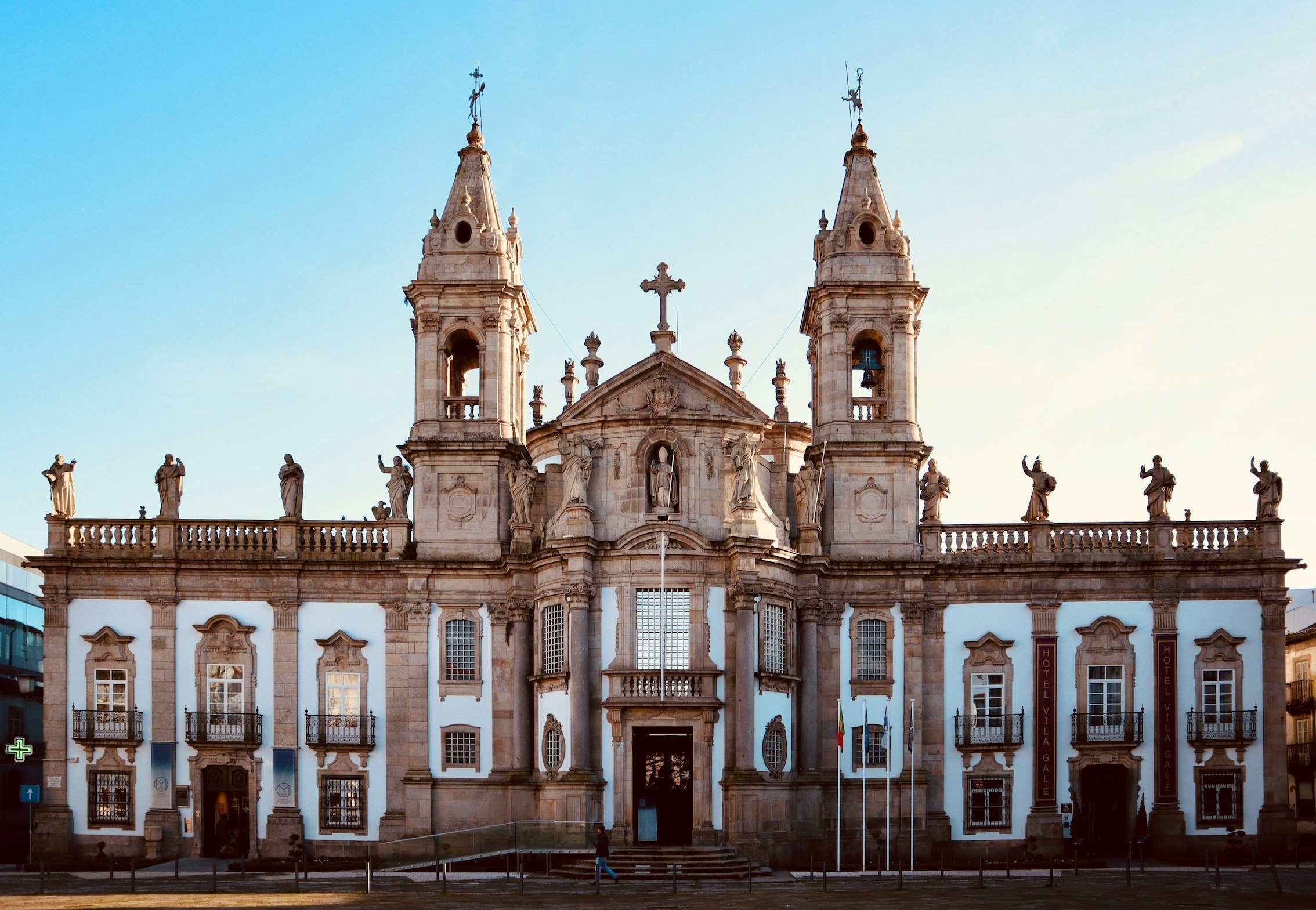
If Fátima is the spiritual heart of modern Catholic pilgrimage in Portugal, Braga represents the extraordinary depth of the country's Christian history. Known as the Rome of Portugal, Braga has been an important religious centre since late antiquity, and its streets are filled with churches, chapels and architectural reminders of centuries of devotion.
At the centre of the old town stands Braga Cathedral, whose origins predate the foundation of Portugal as an independent kingdom. Its layers of Romanesque, Gothic and Baroque architecture tell the story of a city shaped by successive generations of worshippers.
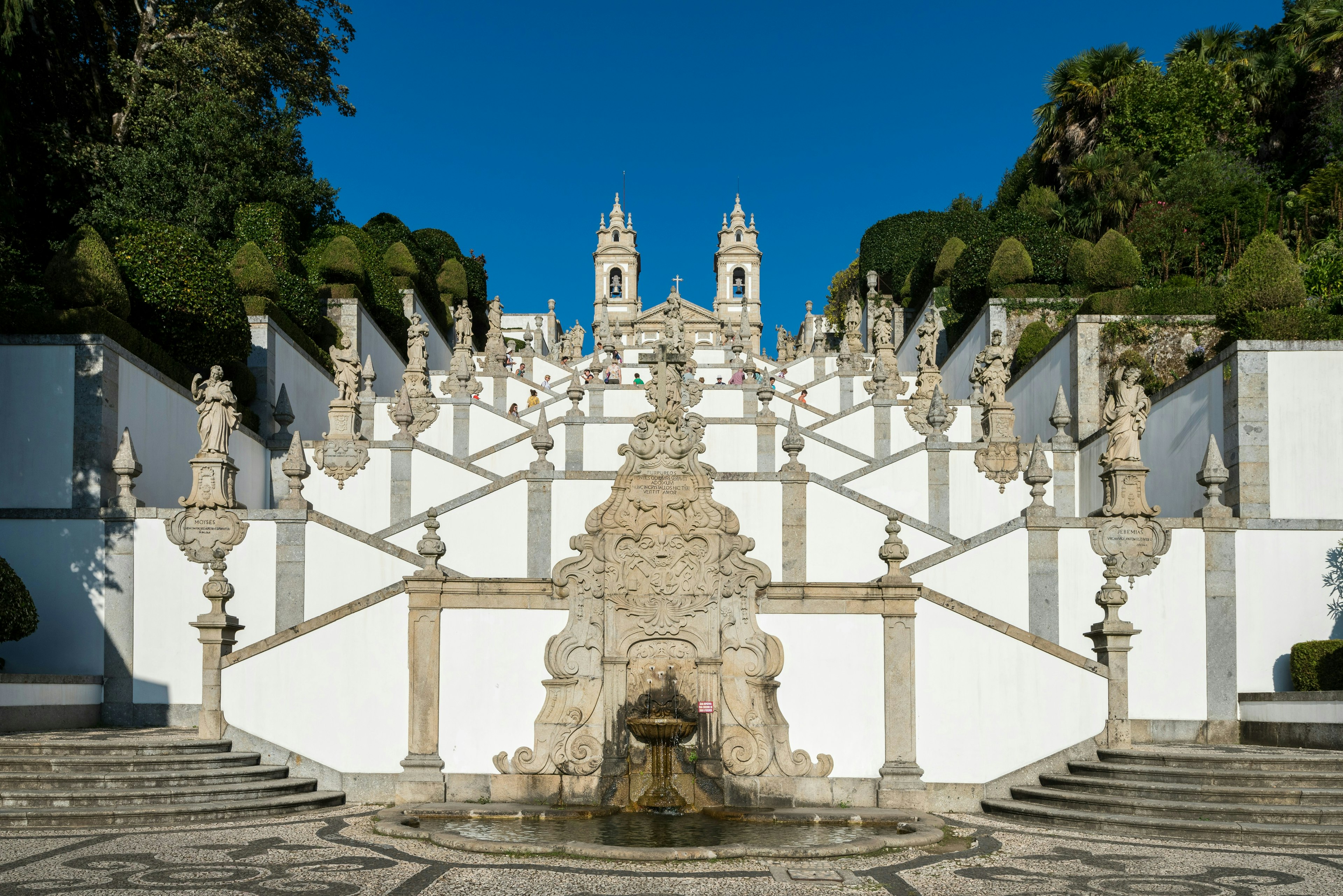
Beyond Braga's historic centre lies one of Portugal's most extraordinary religious landmarks: the Sanctuary of Bom Jesus do Monte. Set on a wooded hillside, this UNESCO-listed sanctuary is celebrated for its magnificent Baroque staircase, which rises in a series of terraces, chapels and symbolic fountains. The ascent represents a spiritual journey, inviting pilgrims to contemplate the Passion of Christ as they climb towards the church above.
Those who prefer a gentler approach can take the historic water-powered funicular to the summit, where the sanctuary is surrounded by peaceful gardens and sweeping views. Nearby, the Sanctuary of Our Lady of Sameiro offers another important place of Marian devotion, its hilltop setting creating an atmosphere of tranquillity.
Braga is particularly memorable during Holy Week, when centuries-old religious processions move through the streets by candlelight, accompanied by the solemn traditions for which the city is renowned.
Porto: A City of Faith and Beauty
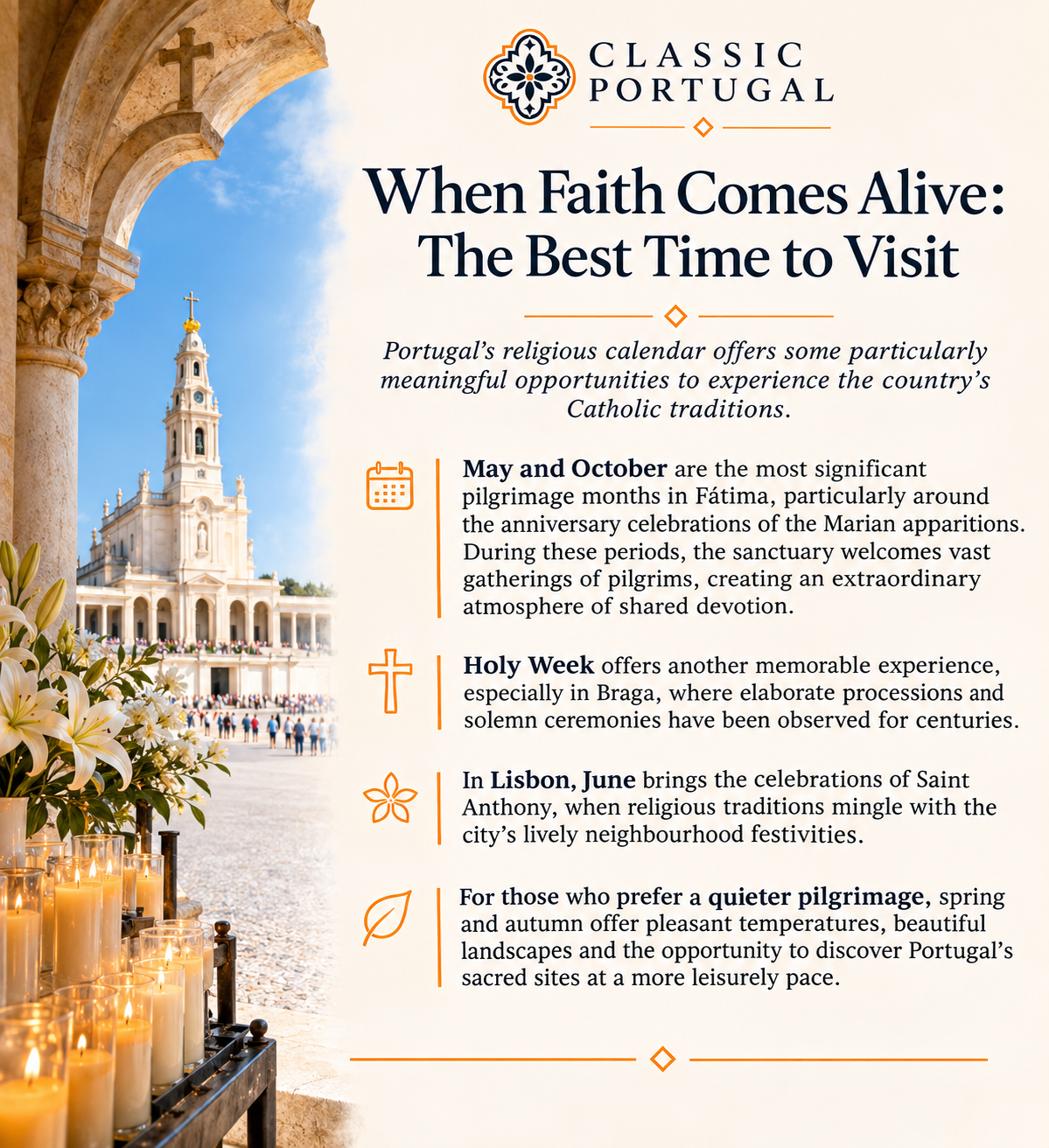
The journey concludes in Porto, a city whose dramatic setting beside the Douro River is matched by its rich architectural and religious heritage. High above the riverside district, Porto Cathedral has watched over the city for centuries. Its fortress-like exterior gives way to beautiful cloisters and religious treasures, while the terrace outside offers one of the city's most memorable views.
A short walk away, the Church of São Francisco reveals an astonishing interior adorned with gilded woodcarving, a testament to the wealth and artistic ambition of Portugal's Baroque period. But Porto is also a city to be enjoyed beyond its monuments.
There are narrow streets to explore, riverside cafés in which to linger and exceptional restaurants celebrating the flavours of northern Portugal. Across the river in Vila Nova de Gaia, historic port wine lodges offer another connection to the traditions that have shaped the region. For those who wish to continue their pilgrimage, Porto is also an important starting point on the Portuguese Camino, the historic route leading north towards Santiago de Compostela in Spain.
A Journey as Individual as Your Faith
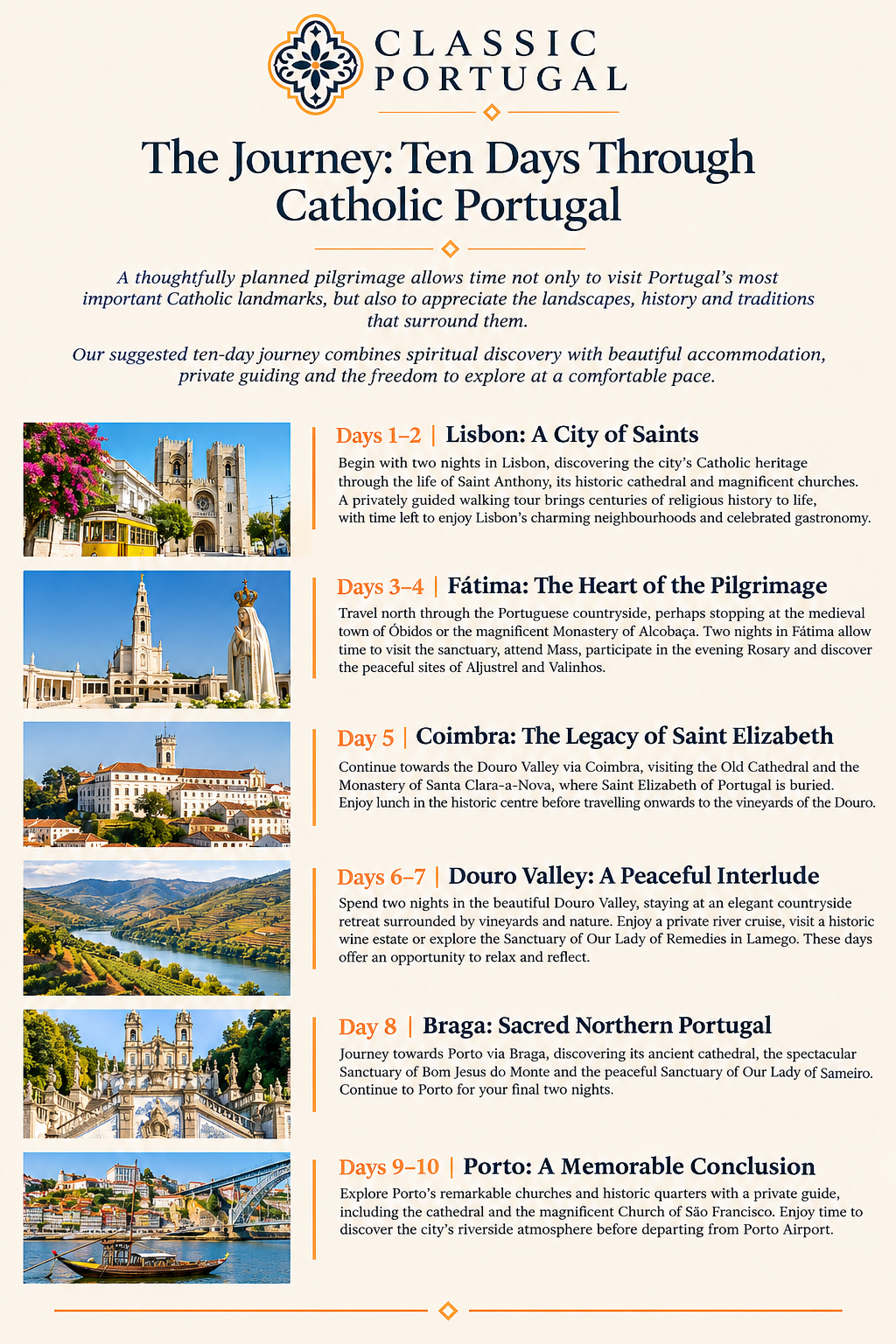
There is no single way to experience Catholic Portugal. At Classic Portugal Travel, we believe the most memorable journeys allow room for both discovery and reflection. Our private, tailor-made itineraries combine Portugal's most significant religious landmarks with beautiful boutique accommodation, knowledgeable local guides and carefully chosen experiences that reveal the country's wider cultural heritage.
Whether travelling with a spouse, family or a small group of friends, your journey can be designed around the places, traditions and experiences that matter most to you. Because sometimes the most meaningful journeys are not simply about the places we visit, but about what we take away from them.
Discover Catholic Portugal with Classic Portugal Travel
Allow us to create a private journey of faith, heritage and discovery, thoughtfully designed around you.