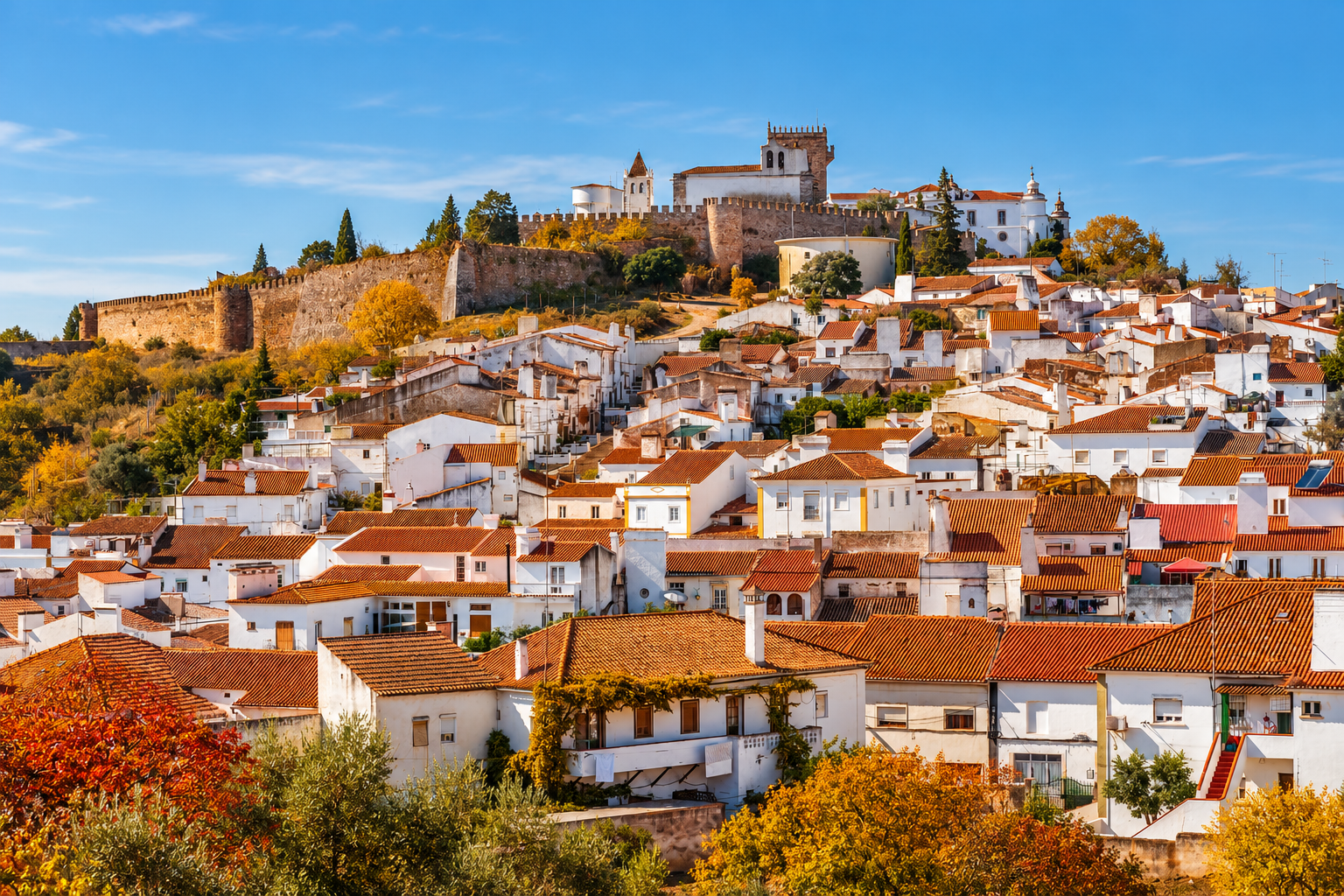
In the beautiful Alentejo town of Estremoz, a centuries-old tradition continues to bring Portuguese history, folklore and everyday life to colourful expression.
Known as Bonecos de Estremoz, these charming handmade clay figures are far more than decorative souvenirs. Each one tells a story, capturing the traditions, beliefs and characters of rural Portugal.
A Tradition Dating Back to the 17th Century
The origins of the Dolls of Estremoz can be traced to the 1600s, when local artisans began creating small clay figures, particularly for religious nativity scenes.
Over time, the tradition expanded to include farmers, shepherds, musicians, animals and figures representing the customs and celebrations of the Alentejo. Originally associated with women known as boniqueiras, the craft was passed between generations, preserving techniques that remain recognisable today.
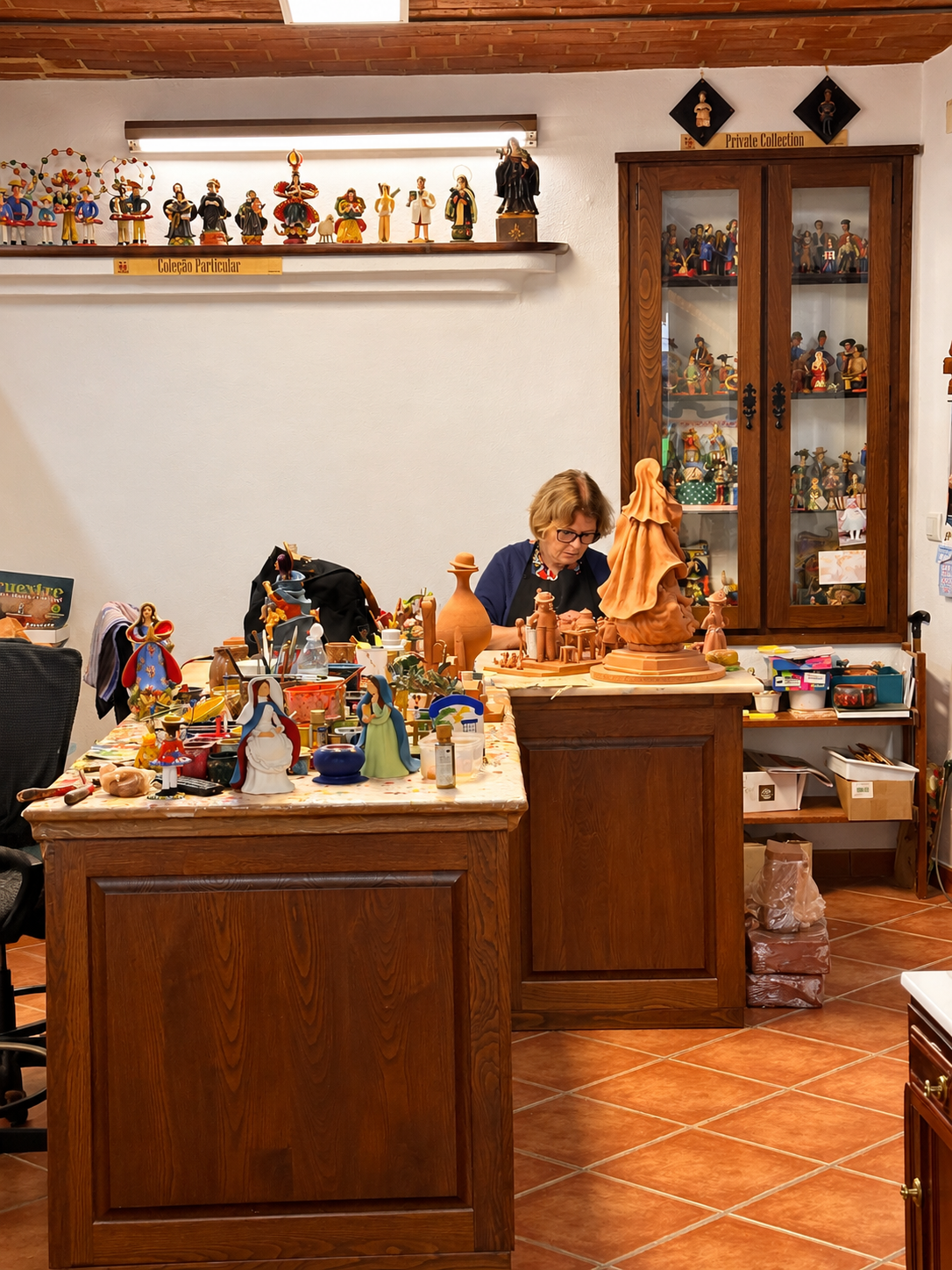
On our recent visit to Estremoz, I had the pleasure of stepping inside a traditional artisan's workshop, where shelves were filled with colourful handmade figures. Watching the painstaking work involved in creating each piece was a wonderful reminder of why preserving these centuries-old traditions matters so much. Below is an image Hayley took whilst in the workshop.
From Humble Clay to UNESCO Recognition
In December 2017, the craftsmanship of the Dolls of Estremoz was recognised by UNESCO as Intangible Cultural Heritage of Humanity. The recognition celebrates not simply the finished figures, but the remarkable knowledge, creativity and skills involved in making them.
Each doll is carefully shaped by hand, assembled, fired, painted in vivid colours and finished with a protective varnish. The process can take several days, and no two handmade pieces are quite alike.
The Stories Behind the Figures
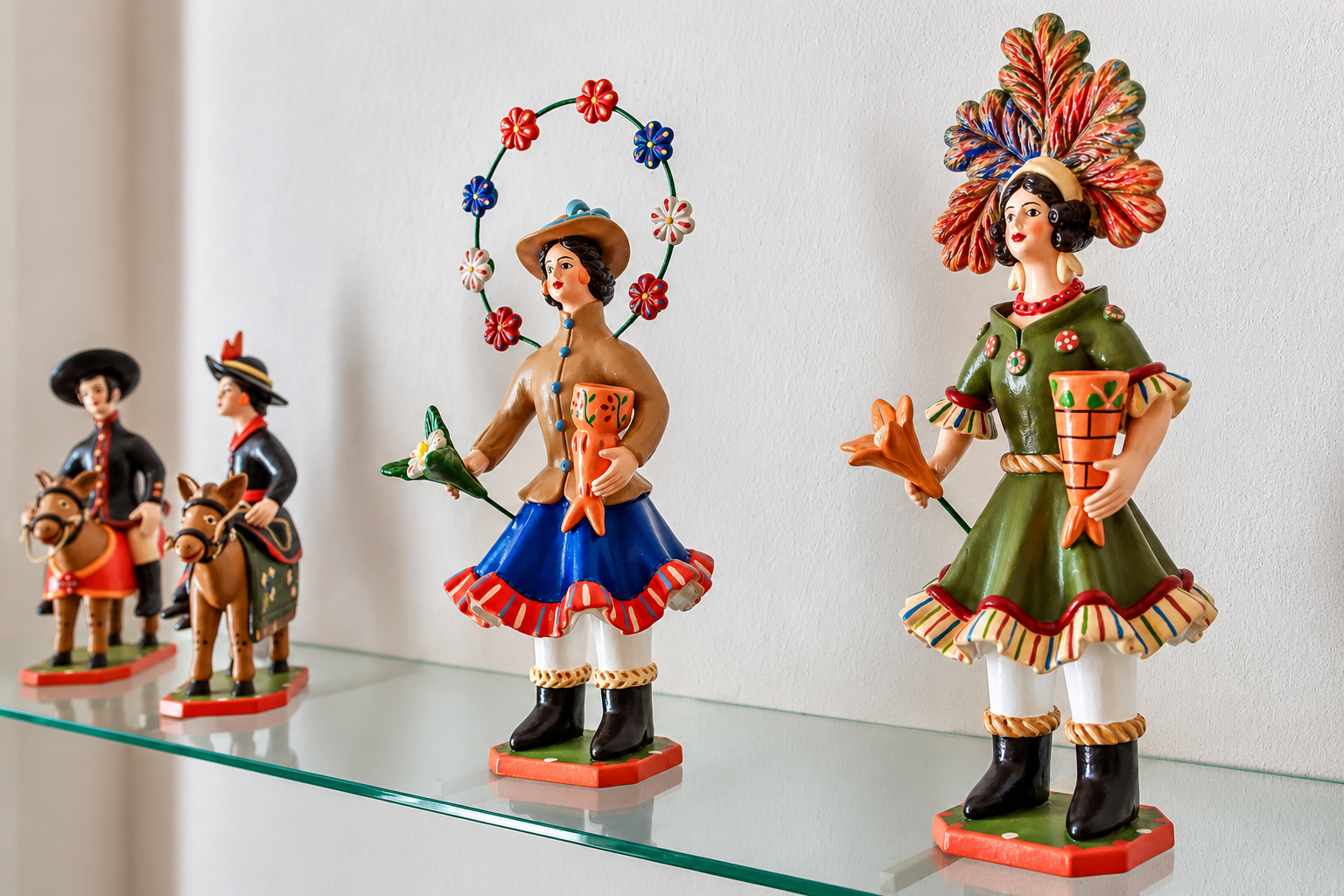
Among the best-known creations are Amor é Cego (Love Is Blind), Primavera (Spring), traditional nativity scenes and representations of Queen Saint Isabel.
Some figures reflect religious devotion, while others celebrate agricultural life, seasonal traditions and the ordinary people who shaped the Alentejo's cultural identity. Their expressive faces, distinctive clothing and joyful colours make them instantly recognisable.
Discovering the Dolls of Estremoz Today
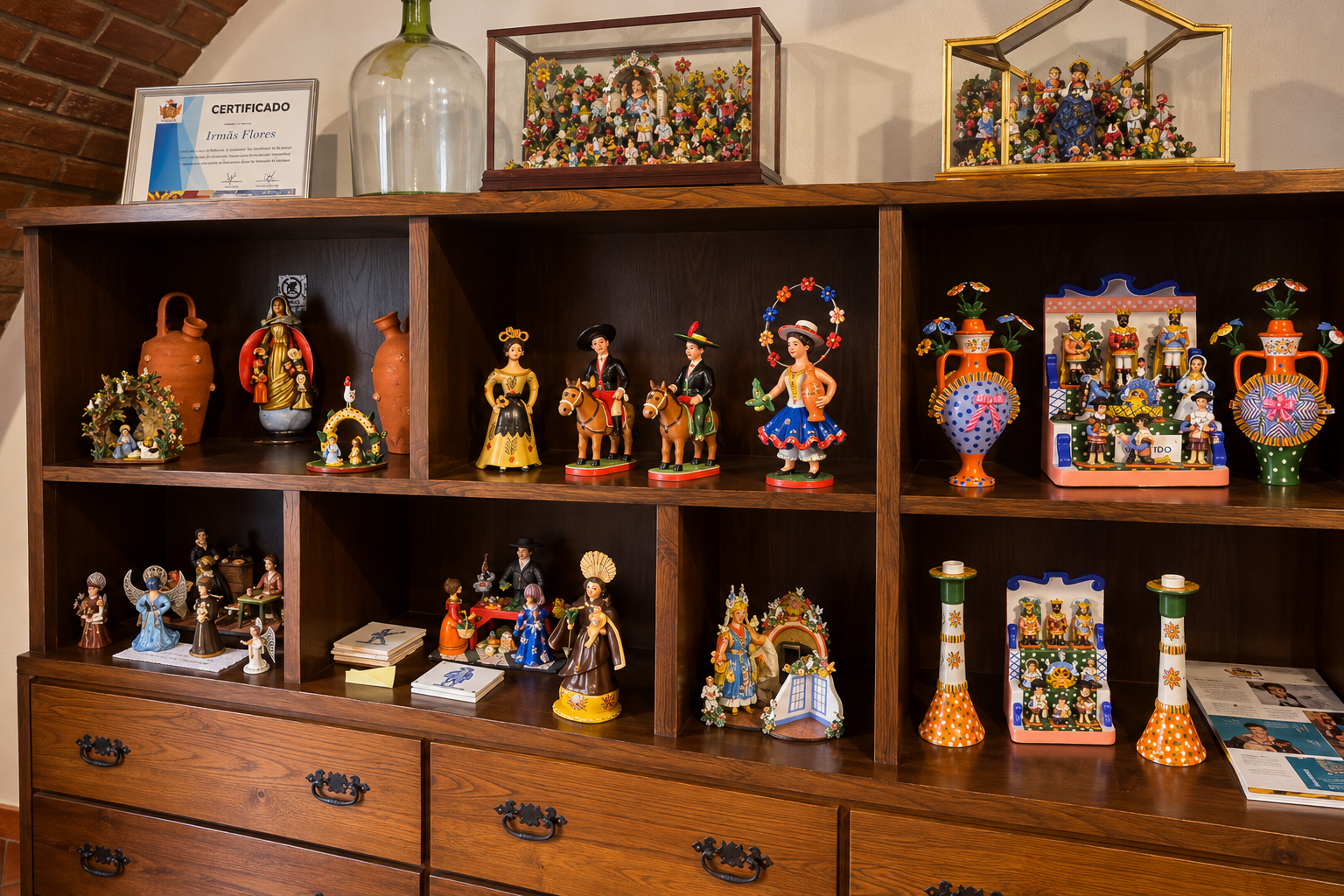
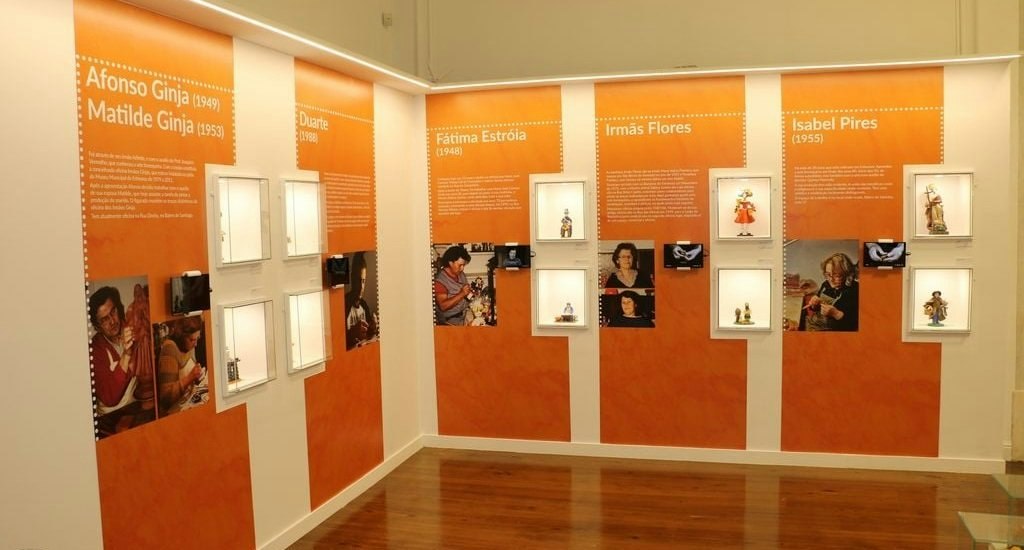
Visitors to Estremoz can discover this living tradition in local artisan workshops and at the Centro Interpretativo do Boneco de Estremoz, a centre dedicated to preserving and celebrating the craft.
Seeing the figures being made offers an appreciation of the patience and skill involved, as well as the importance of supporting traditional Portuguese artisans. For travellers exploring the Alentejo, discovering these colourful characters offers a fascinating glimpse into a quieter, more personal side of Portuguese culture.
A Little Piece of Estremoz to Take Home
Hayley couldn't resist bringing a little piece of Estremoz home with her!
"The beautiful handcrafted figures pictured below are the ones Jesse, my 8 year old son, and I chose during our visit, and they now have a special place in our home in Lisbon. A lovely reminder of the talented artisans we met and the wonderful traditions that make Portugal so special."


Experience the Authentic Alentejo
At Classic Portugal Travel, we believe some of the most memorable travel experiences come from discovering the people and traditions that make a destination unique.
Whether exploring historic Estremoz, visiting an artisan's workshop or discovering the region's exceptional wines, cuisine and countryside, the Alentejo rewards those who take the time to explore beyond the obvious.
From meeting traditional artisans to exploring historic villages, family-run wineries and hidden corners of the Alentejo, we create privately designed journeys that bring you closer to the real Portugal.