There has never been a better time to build something alone: a company, a product, a newsletter, a fund, a studio, a podcast, or simply an idea that didn’t exist six months ago.
A laptop, a phone and an internet connection have given individuals powers that once belonged almost exclusively to organisations.
You can start a business from your kitchen table, raise money from people you’ve never met, manage a team distributed across five countries, build friendships in Discord, find collaborators on X, and sell to someone on the other side of the world before you’ve even had breakfast. It is extraordinary.
But there is another side to this independence that we don’t talk about quite as much: building can be lonely.
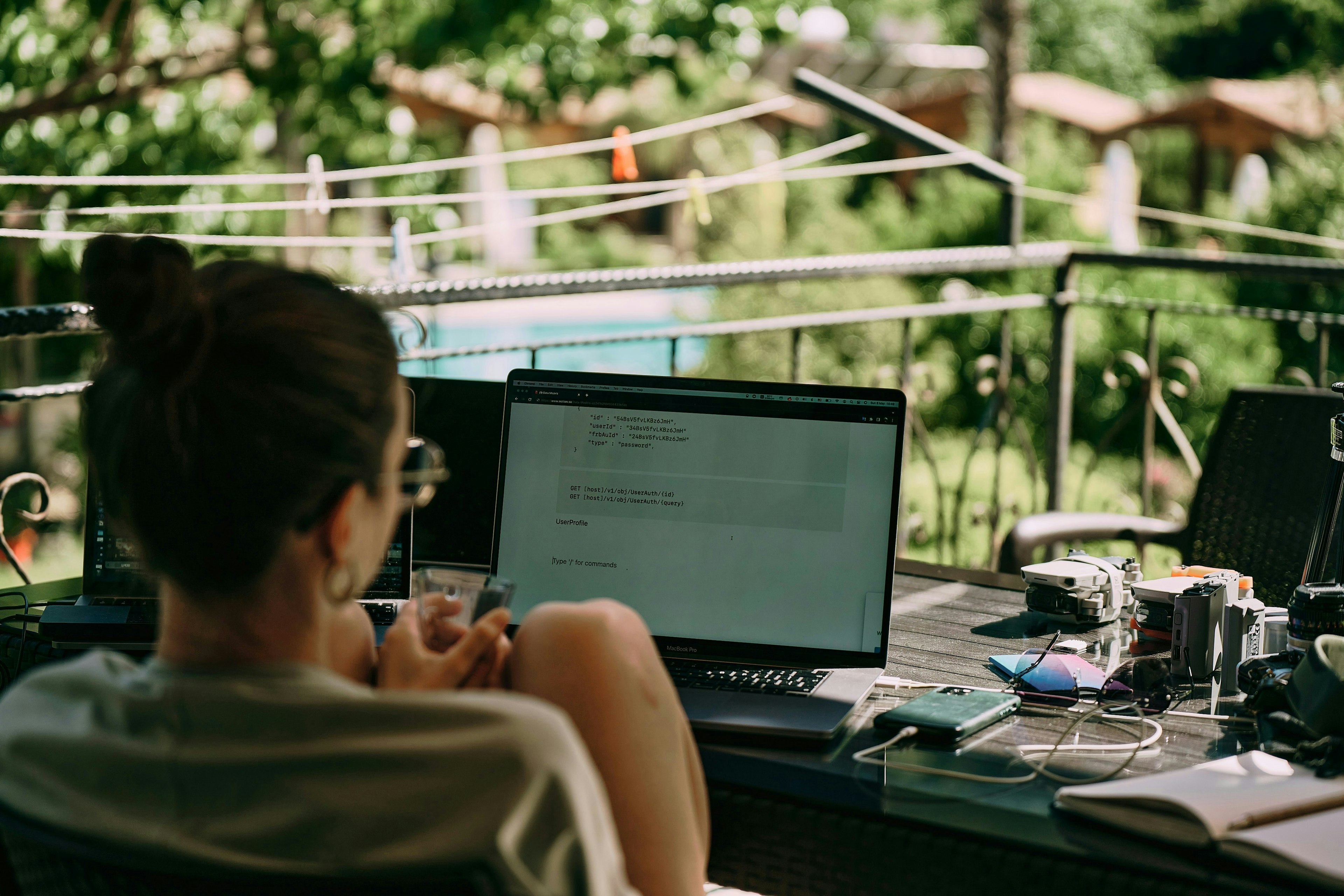
Not necessarily lonely in the obvious sense. There may be employees, investors, customers, followers, Slack messages and Zoom calls everywhere. Yet there are surprisingly few places where the person building something can simply exist without being required to perform a role. The founder has to be optimistic, the CEO needs answers, the consultant has to appear certain, the creator has to keep creating, and the investor is expected to have a view.
Even socialising can start to resemble work. Conferences come with agendas, dinners become networking opportunities, and sooner or later someone asks what you’re working on. Before long, even a conversation over a glass of wine begins to feel suspiciously like LinkedIn.
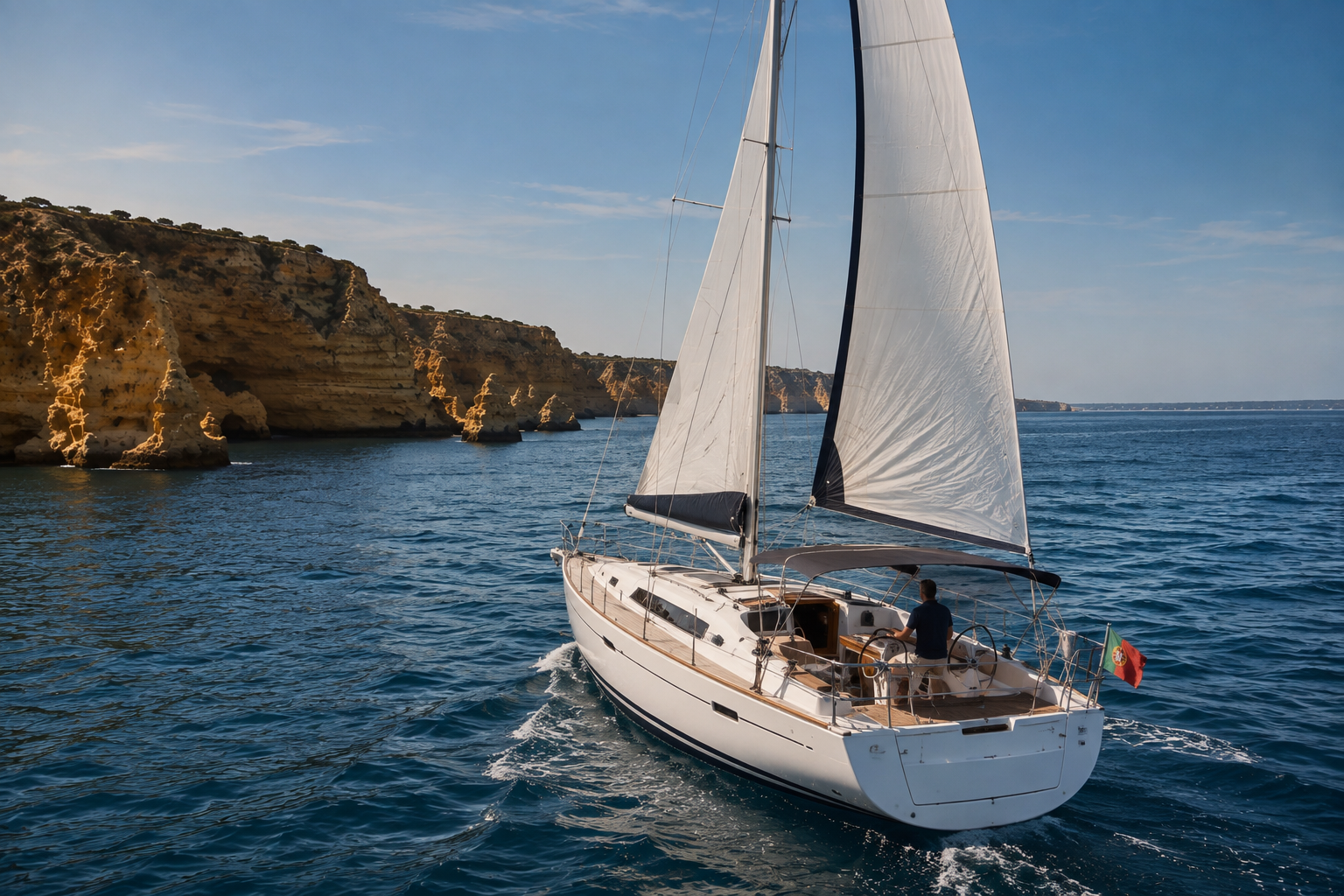
Perhaps that is why travel matters. Not because entrepreneurs need another productivity hack, but quite the opposite. Travel gives us permission to become temporarily unavailable to the lives we’ve constructed. A different landscape changes the rhythm. A long lunch interrupts the calendar. A walk has no measurable return. A conversation with someone outside your industry goes somewhere you couldn’t have planned.
Occasionally, in that distance, something interesting happens: you remember that there is a world beyond the thing you’re building.
But how should independent people travel?
Solo travel offers enormous freedom. You wake when you want, eat where you want, and change your plans because a waiter told you about a beach thirty kilometres away. Nobody needs consulting, and for people accustomed to making their own decisions, this can feel wonderful.
But independence has a strange habit of following us. Dinner for one can be enjoyable; the tenth dinner for one can feel rather different. And sometimes the best moments in travel aren’t the things we see at all. They’re the conversations after dinner, the joke that becomes part of the trip, the person who knows nothing about your industry and asks exactly the question nobody in your industry would think to ask, or the shared bottle of wine nobody intended to order.
These things are difficult to manufacture. Traditional group travel tried to solve that problem by putting strangers together, but for many independent travellers the solution introduced another problem: too much structure. Matching luggage, name badges, seven-thirty departures, compulsory togetherness, and being told exactly where to stand and what to look at.
There should be something between the two.
Hosted travel
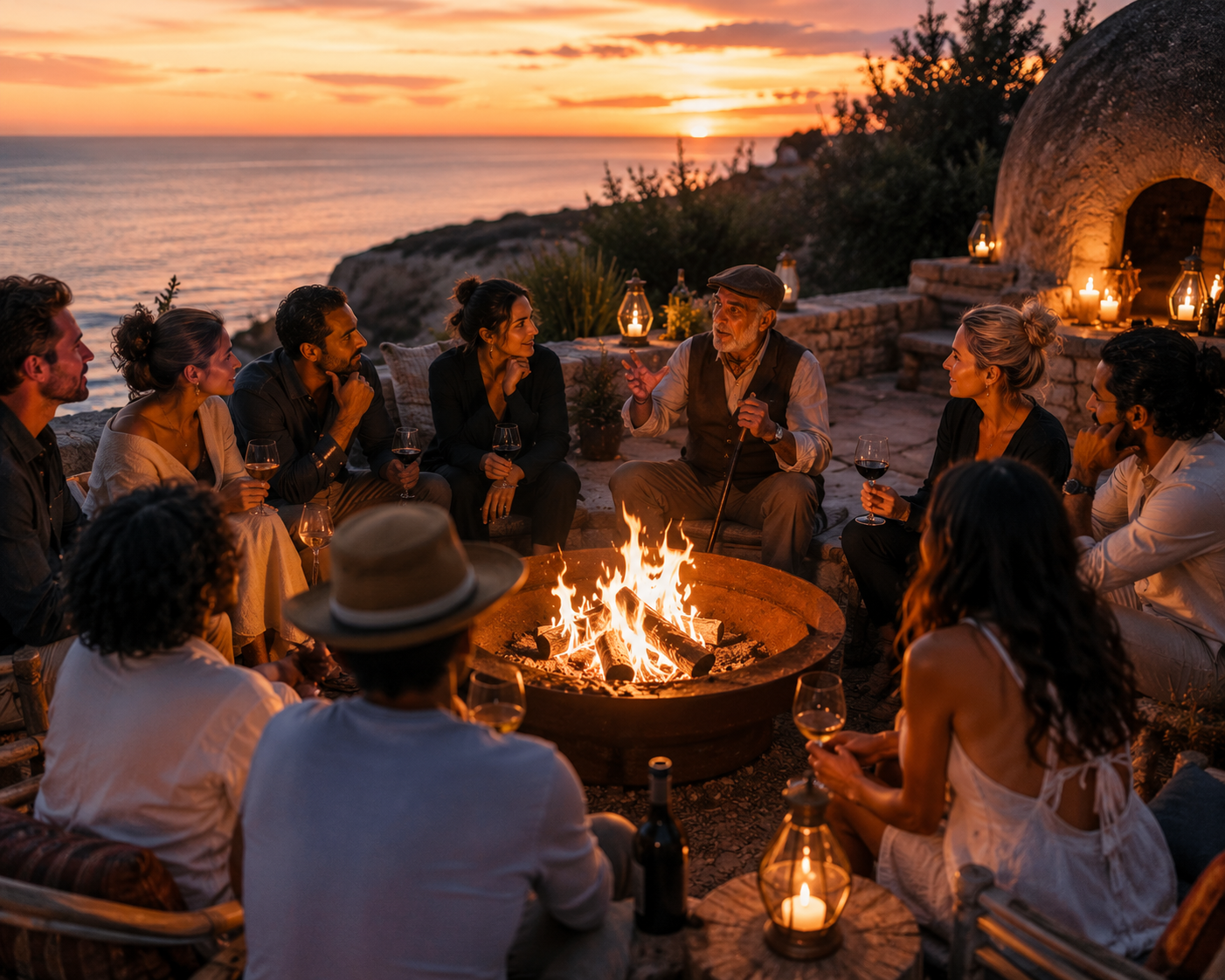
A hosted journey isn’t quite independent travel, but it isn’t really a group tour either. It is a small number of interesting people travelling together, with someone quietly holding the experience together.
A good host doesn’t dominate the journey; they create the conditions in which it can happen. They know when to introduce two people, when dinner is going somewhere interesting and the next item on the itinerary can wait, and when somebody wants company or would rather spend an afternoon alone. They remove friction without removing spontaneity.
Perhaps most importantly, they allow people who spend much of their lives organising everything themselves to stop organising for a while. There are no networking sessions, mastermind circles or compulsory morning routines, and no requirement to explain your business before dessert.
You might talk about artificial intelligence, or olive oil, or whether you would rather live beside the Atlantic or in the mountains. You might meet someone who changes how you think about your company. You might meet someone who changes how you think about absolutely nothing. Both are useful.
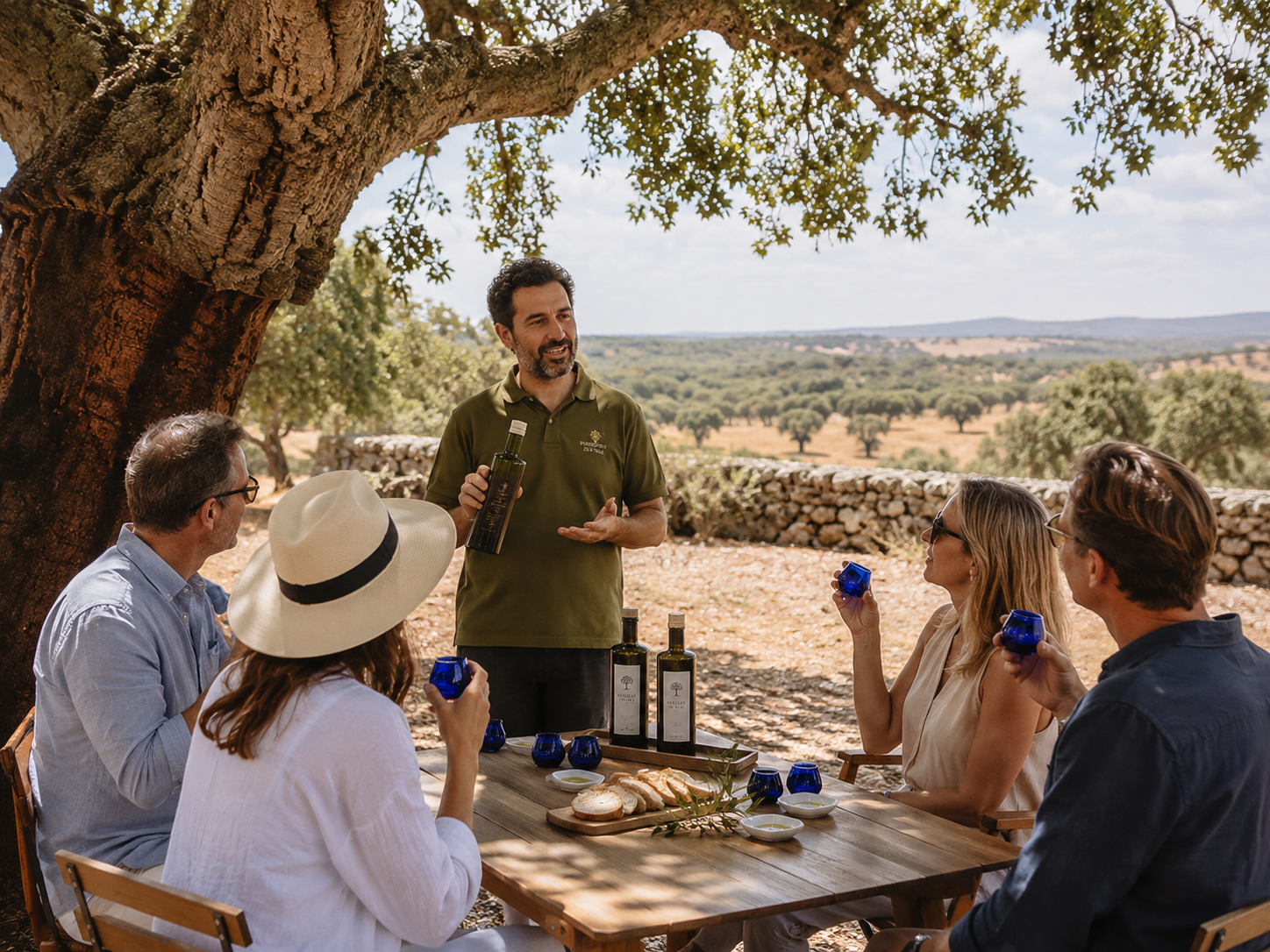
The luxury of having nowhere to be
We have become very good at optimising travel. Thirty-six hours in Lisbon. The twelve restaurants you have to try. Five things to do before breakfast. A secret beach nobody knows about, documented in seventeen million Instagram posts. But perhaps the greatest luxury for people whose everyday lives are relentlessly productive is something much simpler: time that doesn’t need to achieve anything.
It might be a morning walking through a landscape, a table that remains occupied long after the plates have been cleared, swimming somewhere cold, cooking with someone whose family has made the same dish for generations, or sitting outside at midnight because nobody has suggested going to bed yet.
The point isn’t transformation. The word has been rather overworked, and you don’t need to return home a different person. Sometimes returning slightly more yourself is enough.
The people we want to meet
Building Alone is about those people: entrepreneurs, developers, creators, designers, investors, crypto builders and independent consultants. People between things and people after exits. People who haven’t figured out what they’re doing next, and people creating something nobody around them completely understands yet.
Not because job titles make people interesting. Usually they don’t. But because building something requires curiosity, uncertainty, persistence and a willingness to take an unusual path. Those qualities tend to make good travelling companions.
We want to talk about the reality of building: where people go when they need to think, what happens after success, loneliness, friendship, sabbaticals, and burnout without turning everything into wellness. We want to talk about places that change us, meals we still think about five years later, and what happens when you put a handful of independent people around the same table somewhere far from home.
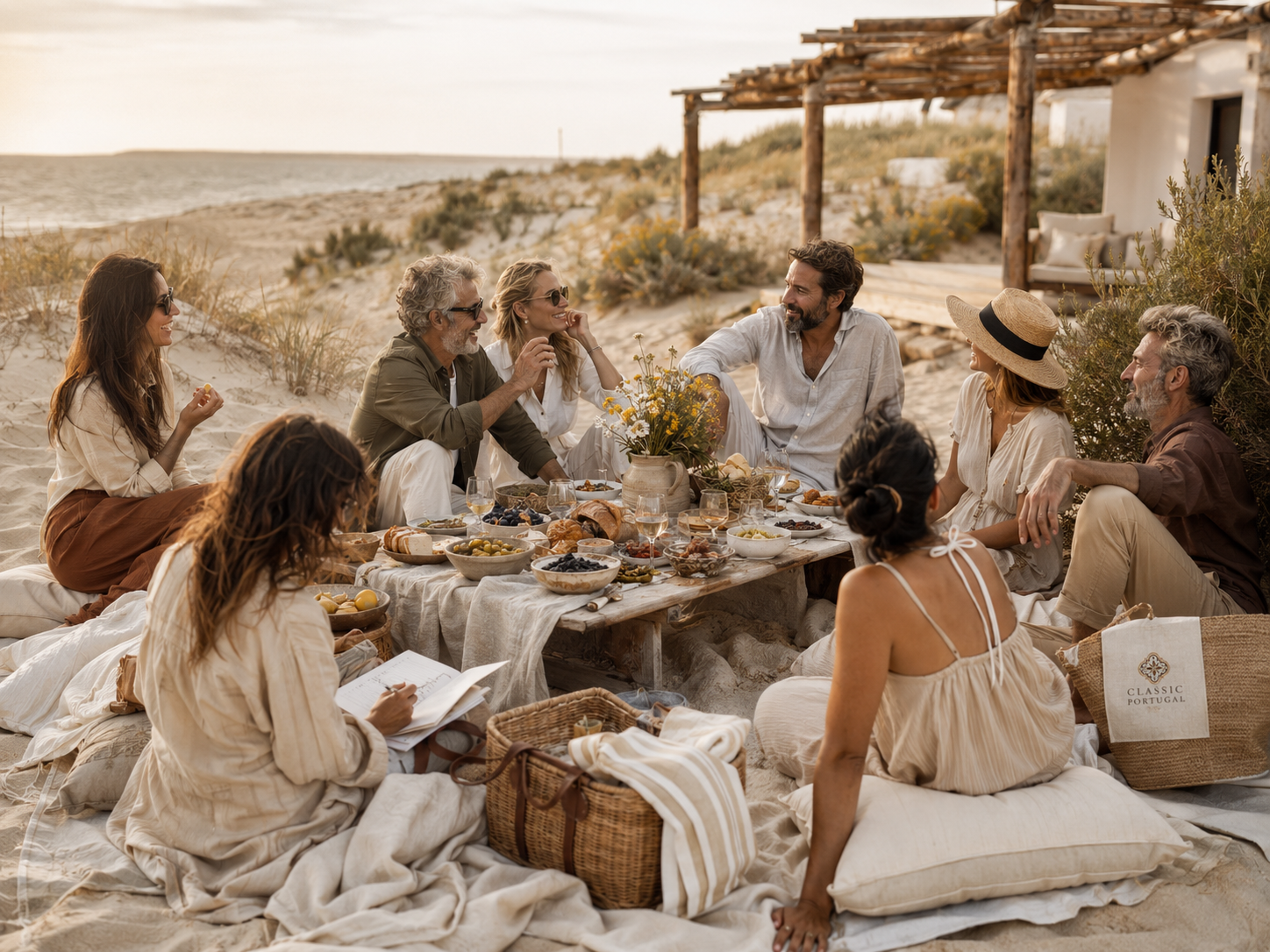
This isn’t a networking community. There will be no promise that the person sitting opposite you at dinner will become your next investor, co-founder or customer. Hopefully they won’t. Maybe the most valuable thing about meeting someone new is that neither of you needs anything from the other.
A different reason to go away
The technology that allowed so many of us to build independently isn’t going away, nor should it. There is enormous freedom in being able to create a life outside conventional structures.
But humans haven’t changed quite as quickly as our tools. We still need conversation. We still need tables. We still need places that remind us how large the world is. And occasionally, we need to disappear from the thing we are building long enough to see it clearly again.
So perhaps the next interesting development in travel isn’t another destination. Perhaps it is a different way of being away: independent, but not alone; curated, but not controlled; surrounded by people, without being expected to network with them.
Somewhere beautiful, with enough time for nothing in particular to happen. Because sometimes nothing in particular is exactly what we need.
Where this idea is taking us
Building Alone began with a simple question: what would travel look like if it were designed for people who are fiercely independent, but don’t necessarily want to experience the world alone?
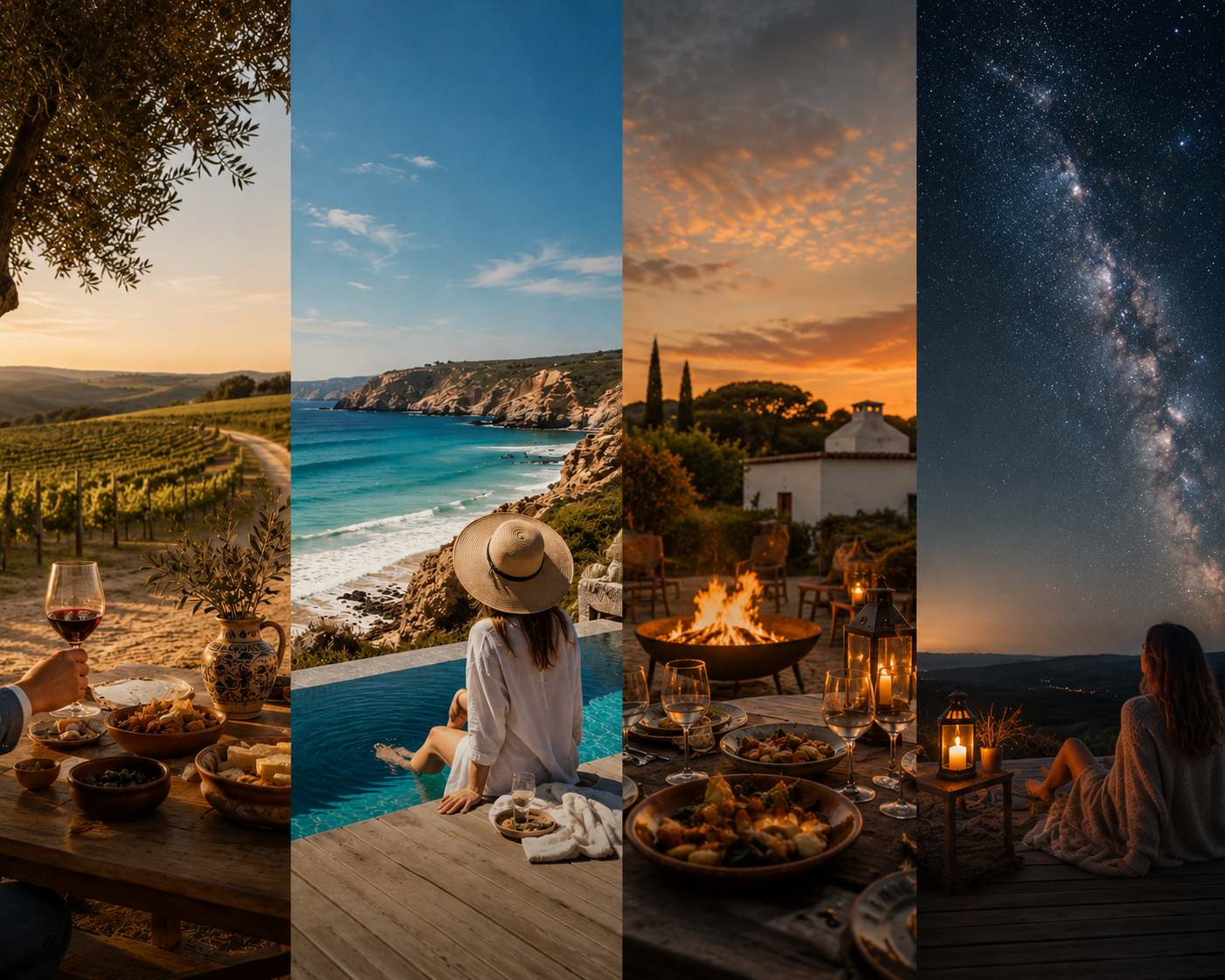
That question has helped shape something we have been quietly developing at Classic Portugal: Portugal’s Elements, a series of intimate hosted journeys inspired by Earth, Water, Fire and Sky, and by the Portuguese landscapes and traditions that bring each of those elements to life.
These aren’t retreats in the traditional sense, and they aren’t group tours. They are opportunities to spend a few days somewhere remarkable with a small group of interesting people, without an agenda to network, improve yourself or achieve anything in particular.
Each Element will explore a different way of slowing down and reconnecting with the world around us. Sometimes through food and wine. Sometimes through the ocean, landscape or night sky. Always through Portugal, and always with enough space for conversations, solitude and the unexpected moments that can never really be planned.
We begin with Earth
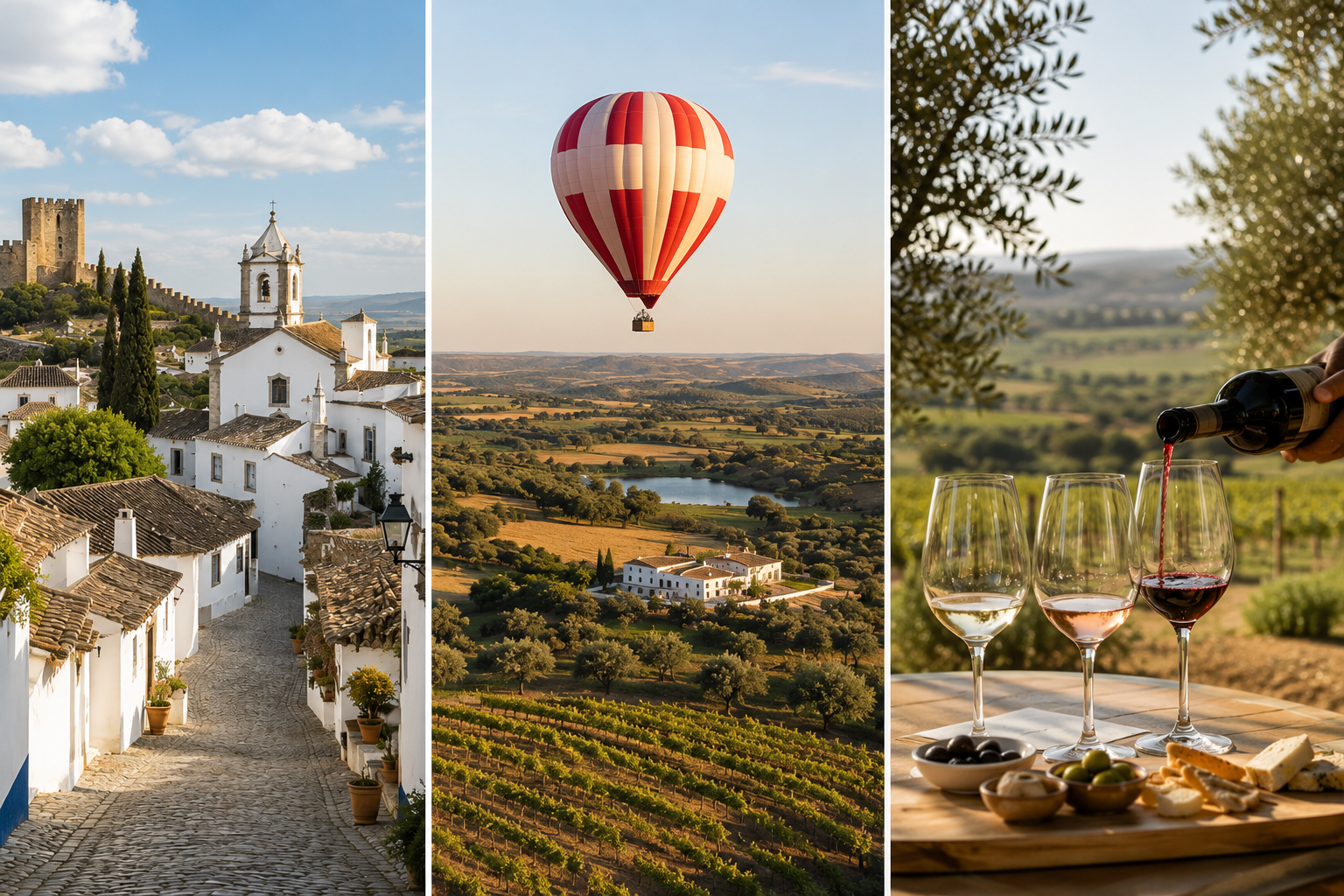
The Art of Slow Living — Alentejo
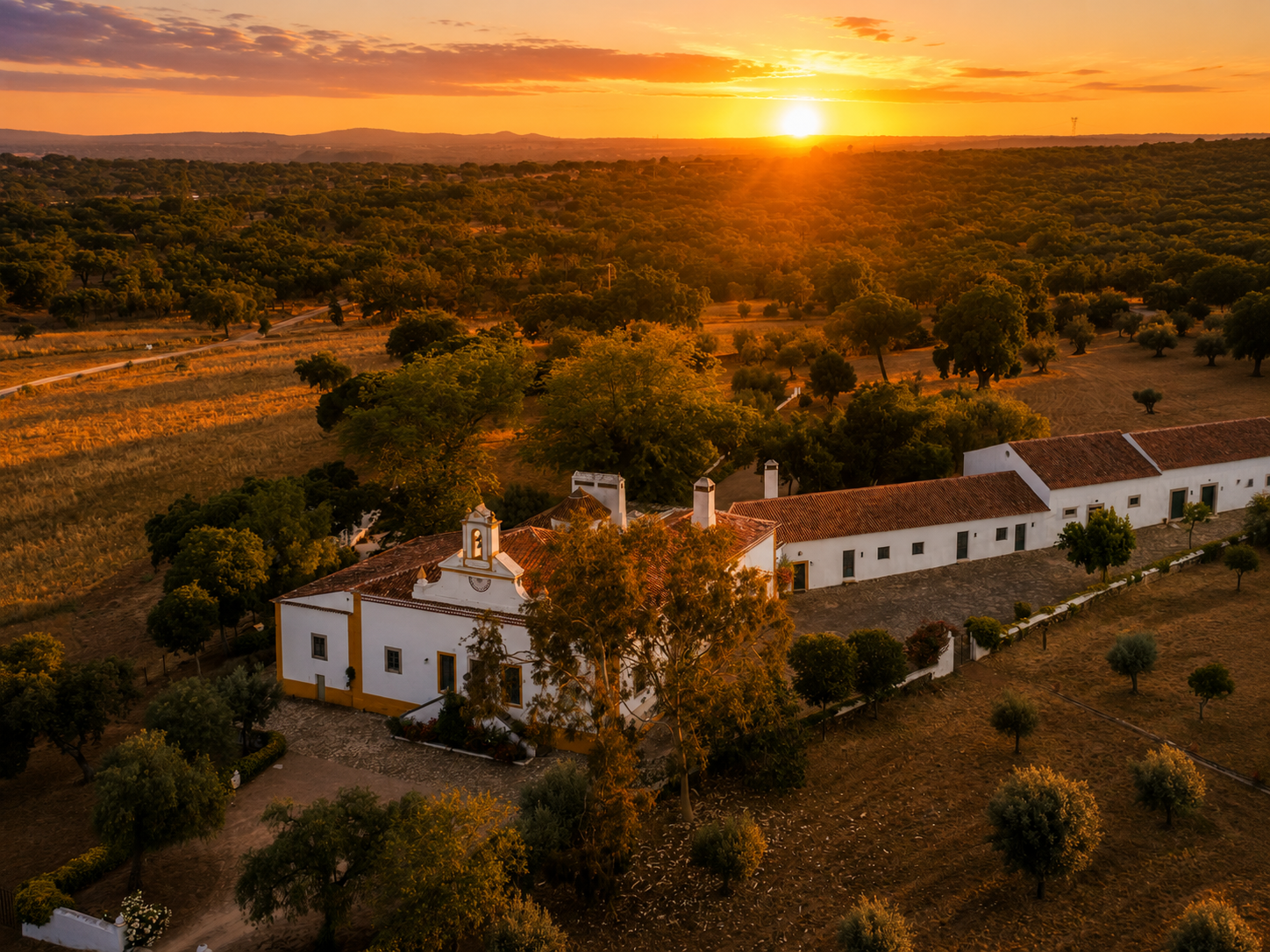
In 2027, our first Elements journey will take us to the Alentejo, a landscape of cork forests, olive groves, vineyards, whitewashed villages and extraordinarily large skies.
The Art of Slow Living is an invitation to spend a few days moving at the rhythm of this part of Portugal. To walk through the landscape. Sit around tables for longer than necessary. Meet the people who grow, cook and make things here. Drink good wine. Be outside. Have conversations that don't need to lead anywhere.
There will be things to do, of course.
But there will also be time when absolutely nothing is expected of you.
Because perhaps the real luxury of getting away isn't how much we manage to experience while we're there.
It's having somewhere beautiful to be, interesting people to share it with, and nowhere else we need to be.
Portugal’s Elements: The Art of Slow Living — Alentejo, 2027. Be among the first to experience it.