


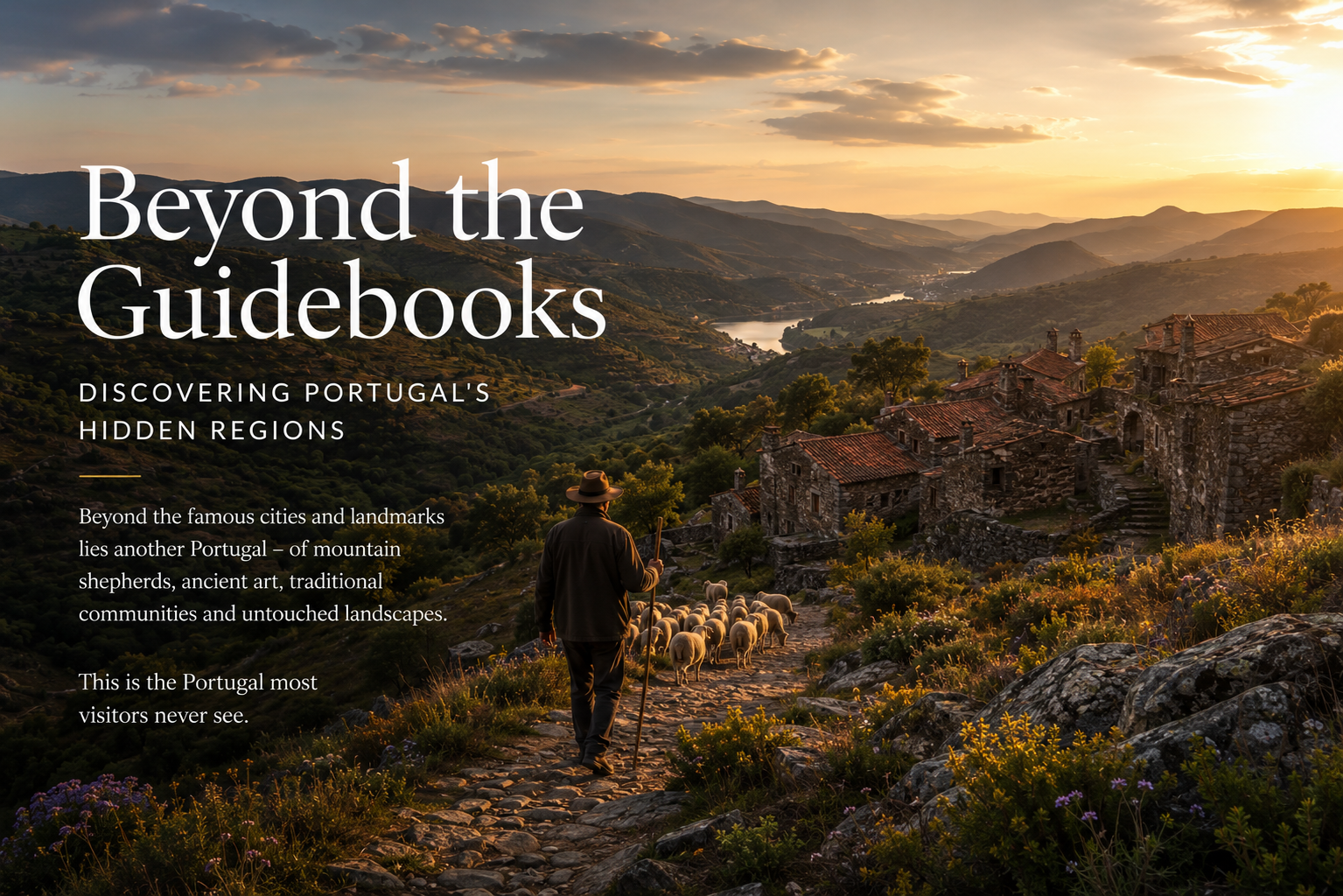
Most visitors experience Portugal through Lisbon, Porto, Sintra and the Algarve.
These iconic destinations have earned their place on every traveller's list. Yet beyond the famous landmarks, bustling cities and well-trodden routes lies another Portugal — a country of mountain shepherds, prehistoric art, traditional fishing communities, endangered wildlife and centuries-old crafts that continue to thrive.
It is a Portugal shaped by nature, tradition and a slower pace of life. A Portugal where local stories matter more than sightseeing checklists, and where authentic encounters often become the most memorable moments of a journey.
These are the regions that reveal the country's true diversity — places that remain largely undiscovered by international visitors and offer a deeper connection to Portugal's landscapes, culture and people.
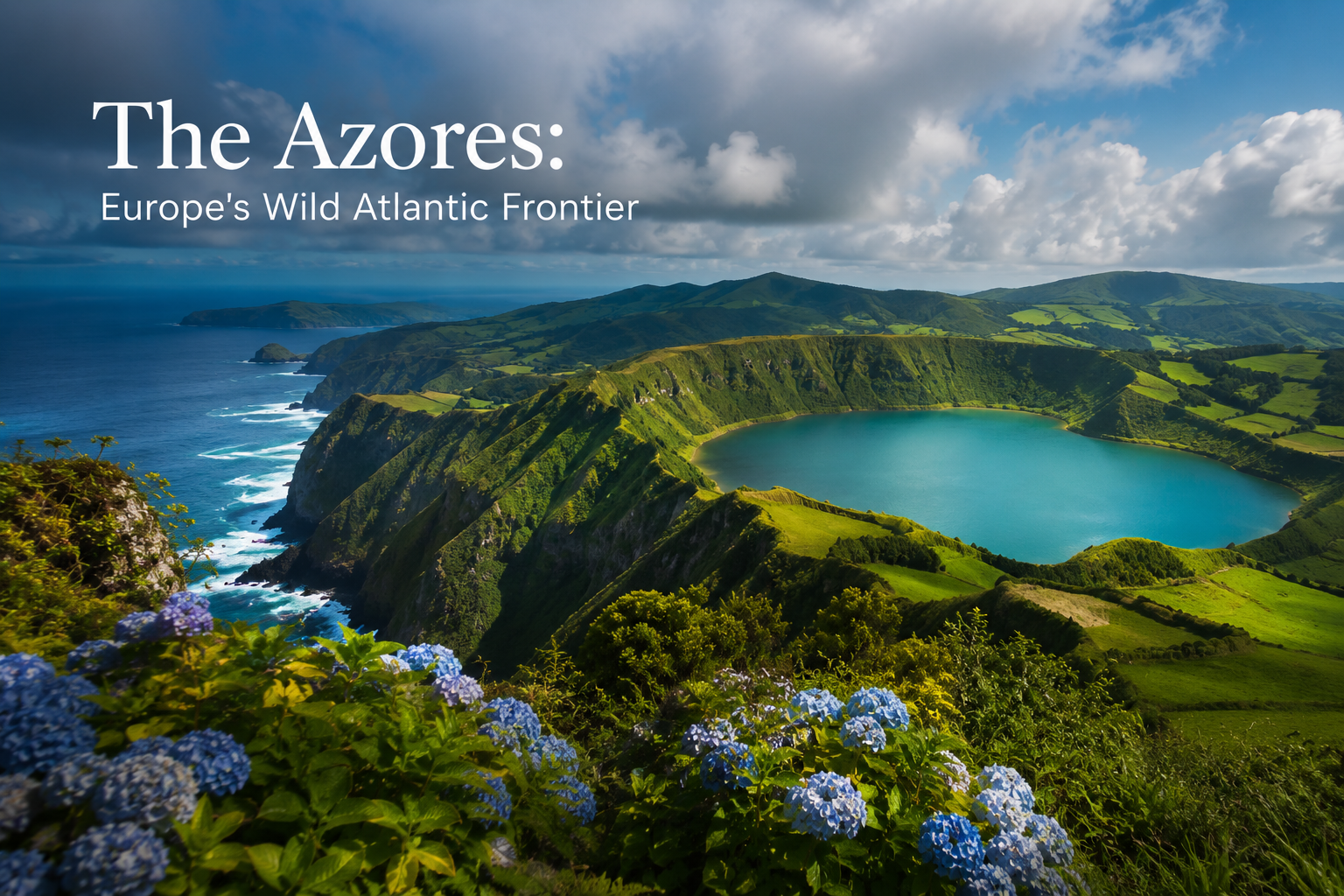
The Azores: Europe's Wild Atlantic Frontier
Scattered across the Atlantic Ocean, the Azores feel worlds away from mainland Europe. Volcanic craters, emerald lakes, dramatic coastlines and geothermal springs create one of the continent's most extraordinary natural landscapes.
Life here is shaped by the ocean. Whale watching, coastal hikes and encounters with unique endemic species offer a glimpse into Portugal's wildest frontier, while traditional farming communities and locally produced wines reflect a culture deeply connected to the land.
Food in the Azores is equally shaped by the islands' unique environment. Volcanic soils, fertile pastures and the surrounding Atlantic waters produce exceptional ingredients, from freshly caught tuna and limpets to grass-fed beef, artisanal cheeses and pineapples grown in traditional greenhouses. Dining here is deeply connected to place, with recipes and flavours that reflect centuries of island life and maritime heritage.
The Azores also offer a growing collection of boutique hotels that embrace the islands' natural beauty and slower pace of life. Properties such as Santa Bárbara Eco-Beach Resort on São Miguel combine contemporary design with a strong sense of place, blending seamlessly into the landscape while providing refined comfort and spectacular ocean views. These intimate retreats offer travellers the opportunity to experience the islands in a way that feels both luxurious and deeply connected to nature.
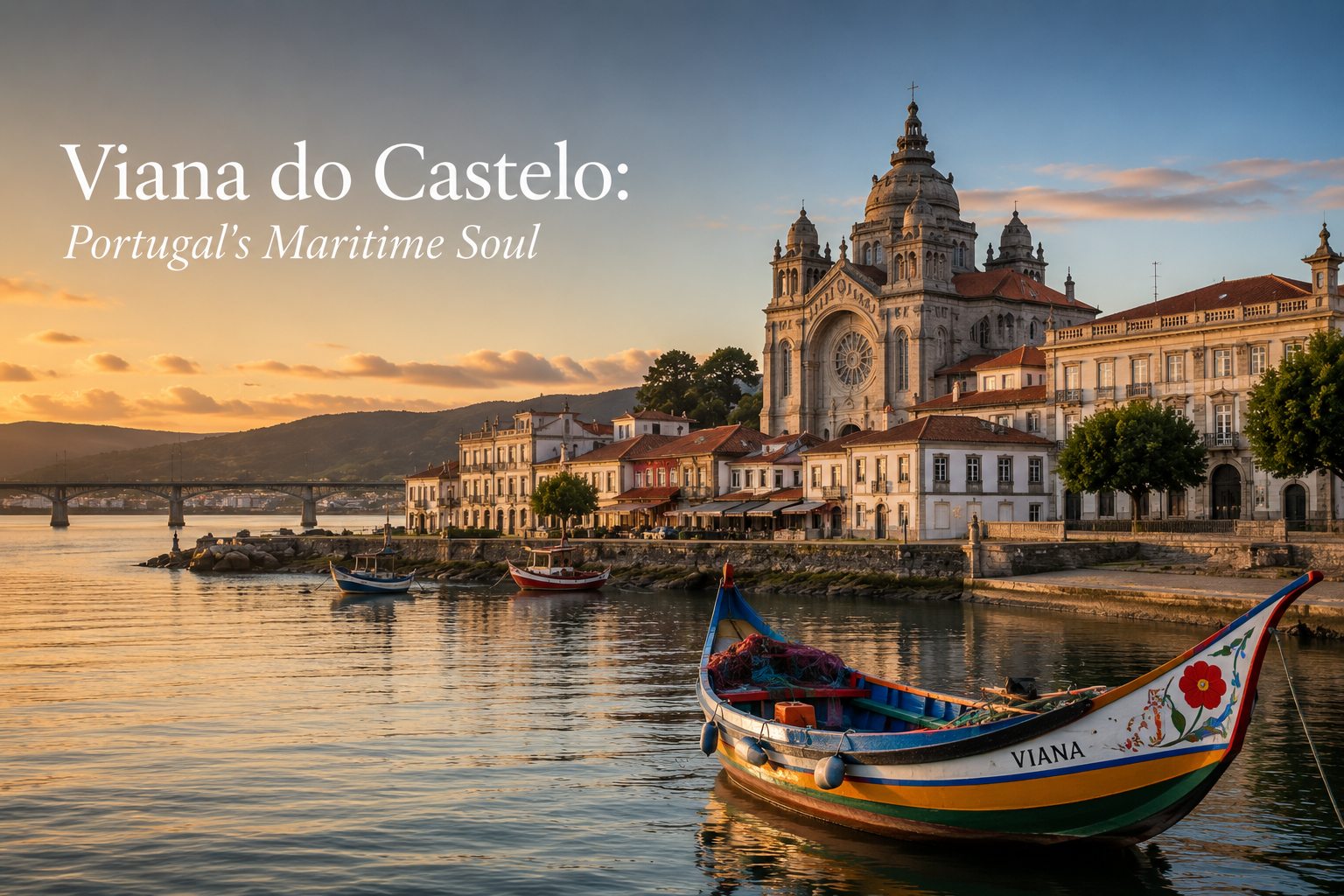
Viana do Castelo: Portugal's Maritime Soul
Perched on Portugal's northern Atlantic coast, Viana do Castelo is one of the country's most captivating yet overlooked historic towns.
For centuries, its fortunes were tied to the sea. Today, colourful fishing traditions, elegant Manueline architecture and a strong sense of local identity remain at the heart of daily life. Traditional gold filigree craftsmanship, vibrant festivals and a proud maritime heritage make Viana a fascinating window into northern Portugal's character.
The town's maritime heritage is reflected in its cuisine, where the Atlantic provides the inspiration for many local dishes. Fresh seafood features prominently on menus, from grilled fish and octopus rice to traditional cod preparations passed down through generations.
One of Viana do Castelo's most distinctive landmarks is the Gil Eannes Hospital Ship, a former floating hospital that once supported Portugal's cod-fishing fleets in the harsh waters of Newfoundland and Greenland. Today, it serves as a fascinating museum, offering visitors a unique insight into the lives of the fishermen and medical crews who spent months at sea.
For those wishing to linger longer, a growing collection of boutique hotels combines historic charm with contemporary comfort, from elegant manor houses and converted heritage buildings to stylish riverside retreats overlooking the Lima estuary and the Atlantic coast. Our favourite is Quinta de Valverde – A refined boutique retreat set within a historic estate surrounded by vineyards and gardens, offering a peaceful countryside experience just minutes from the town centre.

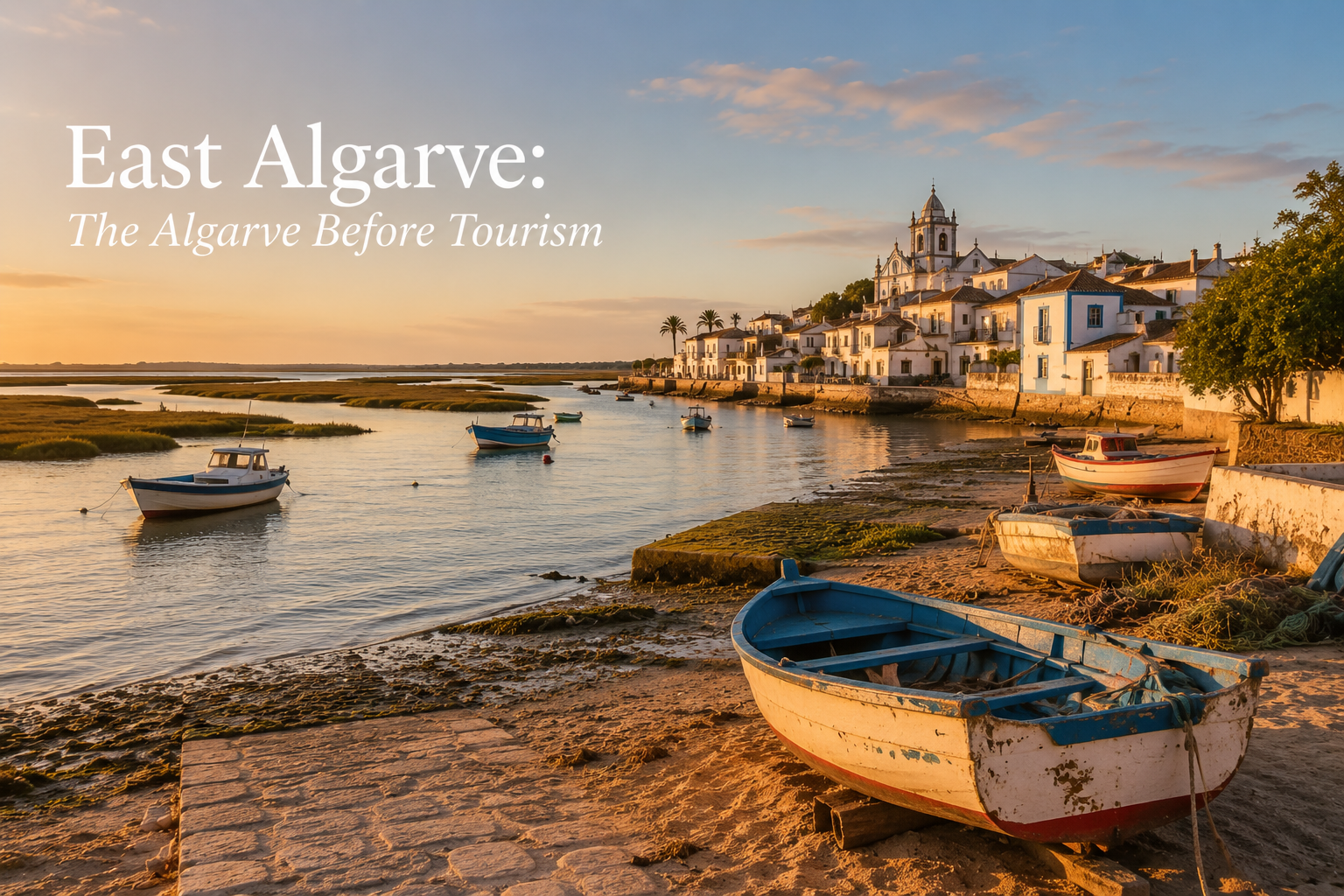
East Algarve: The Algarve Before Tourism
Far removed from the busy resort towns of the western Algarve, the eastern region offers a gentler and more authentic side of Portugal's southern coast.
Here, fishing boats still drift through the lagoons of the Ria Formosa, whitewashed villages retain their traditional charm and life follows rhythms that have changed little for generations. From the historic streets of Tavira to the quiet islands and nature reserves along the coast, East Algarve preserves the essence of the region before mass tourism arrived.
One of the best ways to experience the region is from the water. A private boat tour through the Ria Formosa Natural Park reveals a landscape of tidal lagoons, sandbar islands and traditional fishing communities that remains largely untouched. Along the way, visitors can discover secluded beaches, observe abundant birdlife and gain a deeper appreciation for one of Portugal's most important coastal ecosystems. O
The cuisine of the East Algarve reflects its close relationship with both the sea and the surrounding countryside. Fresh oysters from the Ria Formosa, grilled fish, octopus, clams and traditional cataplana showcase the region's rich culinary heritage, while local citrus fruits and olive oils add distinctive flavours to many dishes.
For travellers seeking a refined yet intimate stay, boutique properties such as Colégio Charm House in Tavira provide an elegant base, combining beautifully restored architecture, personalised service and a sense of tranquillity that perfectly complements the character of the eastern Algarve.
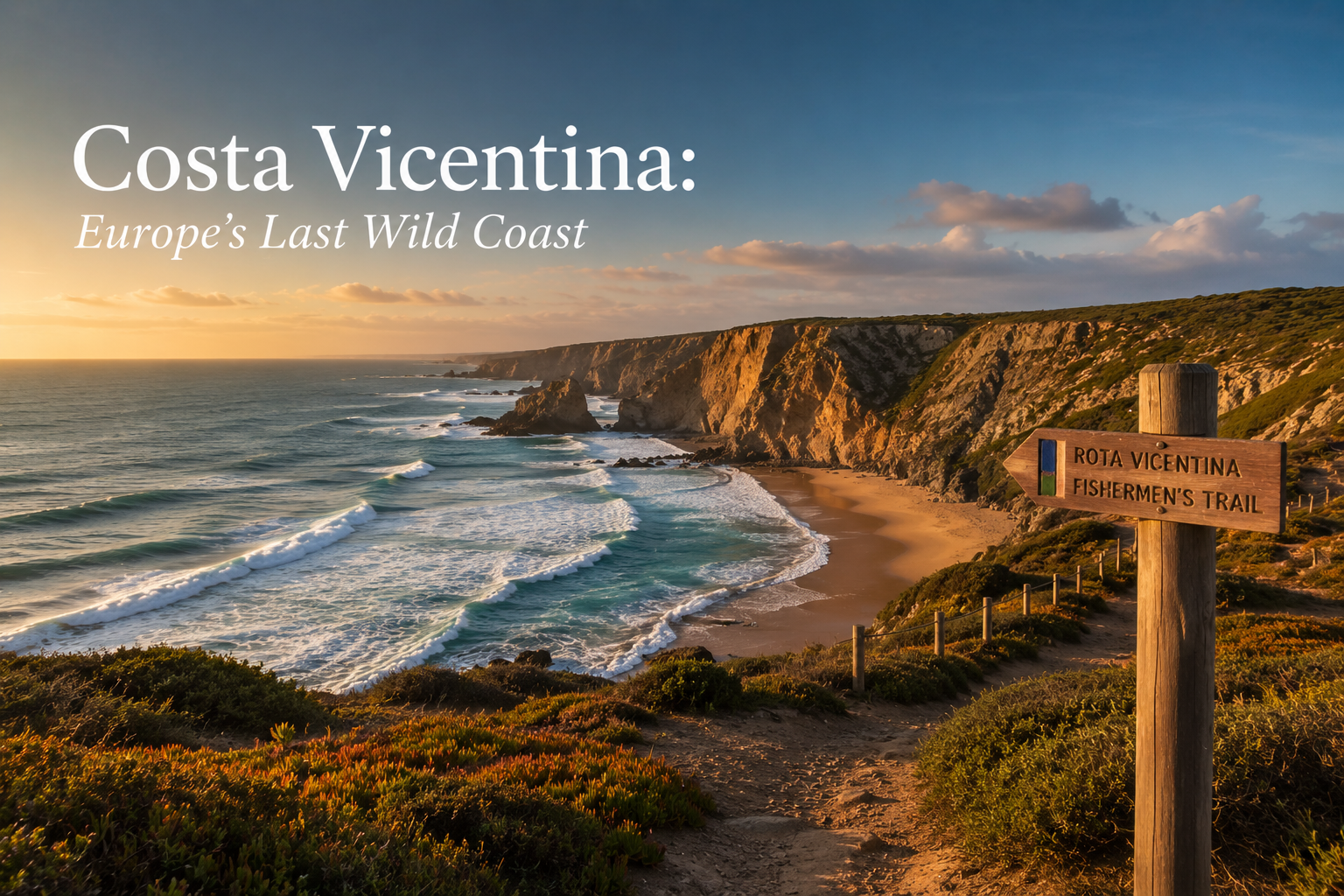
Costa Vicentina: Europe's Last Wild Coast
Stretching along Portugal's south-western shoreline, Costa Vicentina remains one of Europe's most unspoilt coastal landscapes.
Towering cliffs, secluded beaches, dramatic ocean views and protected natural parks define this remarkable stretch of coast. Traditional fishing communities continue to thrive alongside abundant wildlife, while walkers and nature lovers discover a side of Portugal that feels increasingly rare in modern Europe.
Costa Vicentina has become one of Europe's premier destinations for surfing, attracting everyone from experienced surfers seeking powerful Atlantic swells to beginners looking to learn on wide, sandy beaches. Beyond the waves, the region offers exceptional opportunities for hiking along the renowned Rota Vicentina, where dramatic cliff-top trails reveal breathtaking coastal scenery and a profound sense of solitude. Whether exploring by foot or surfboard, visitors quickly discover a landscape where nature remains firmly in charge.
The region's cuisine is equally connected to its surroundings. Fresh seafood, goose barnacles (percebes), octopus and locally caught fish feature prominently on menus, often served in family-run restaurants overlooking the ocean.
Nestled between rolling hills and the Atlantic Ocean, Praia do Canal Nature Retreat offers a refined escape where contemporary design, wellness and nature come together, creating an ideal base for exploring the wild beauty of Portugal's most unspoilt coastline.
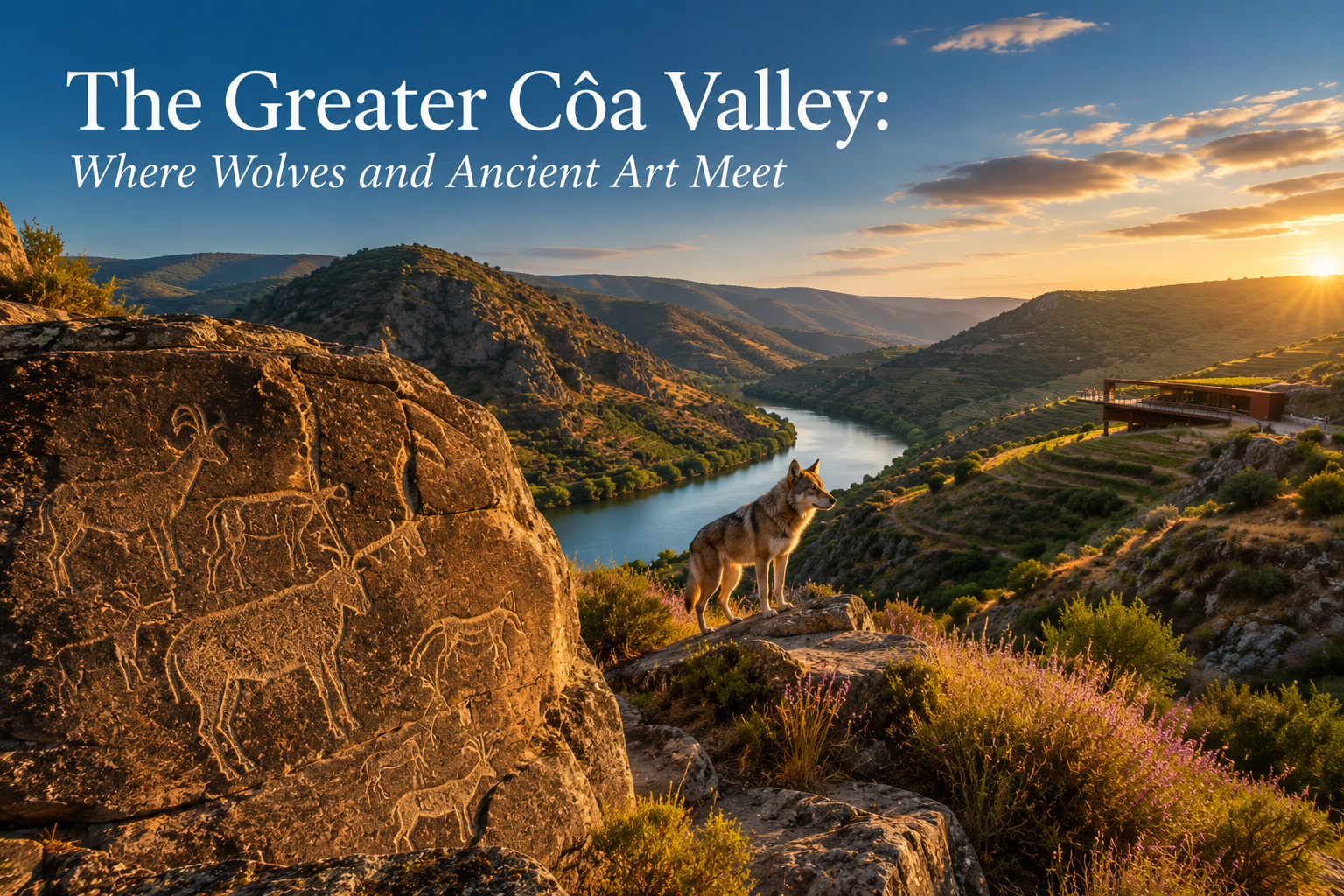
The Greater Côa Valley: Where Wolves and Ancient Art Meet
In Portugal's remote northeast lies one of Europe's most remarkable cultural landscapes.
The Greater Côa Valley is home to thousands of prehistoric rock engravings, some more than 20,000 years old, offering an extraordinary connection to humanity's distant past. At the same time, its rugged hills and vast open spaces provide refuge for endangered species, including the Iberian wolf, making it a unique destination where archaeology and wildlife coexist.
Visitors seeking a deeper connection with the region's wildlife can join expert-led tracking experiences that reveal the hidden world of the Iberian wolf. While sightings are rare, accompanying local naturalists through the valley's remote landscapes offers a fascinating insight into one of Europe's most elusive predators, as well as the broader conservation efforts helping wildlife return to this remarkable corner of Portugal. Nearby, the rewilding site of Paul de Toirões showcases how habitat restoration is creating new opportunities for native species, transforming former agricultural land into a thriving refuge for birds, mammals and other wildlife.
As darkness falls, the valley reveals another extraordinary chapter of its story. Guided evening visits to the Penascosa Rock Art Site allow travellers to experience some of the world's most significant prehistoric engravings in atmospheric conditions remarkably similar to those of their original creators thousands of years ago. For an immersive stay, Wilder Camp, operated by Rewilding Portugal, offers stylish safari-style tents set within nature, combining comfort with a genuine connection to the landscape. Surrounded by wildlife and far from urban distractions, it provides a unique base from which to explore the Greater Côa Valley's ancient heritage and rewilded future.
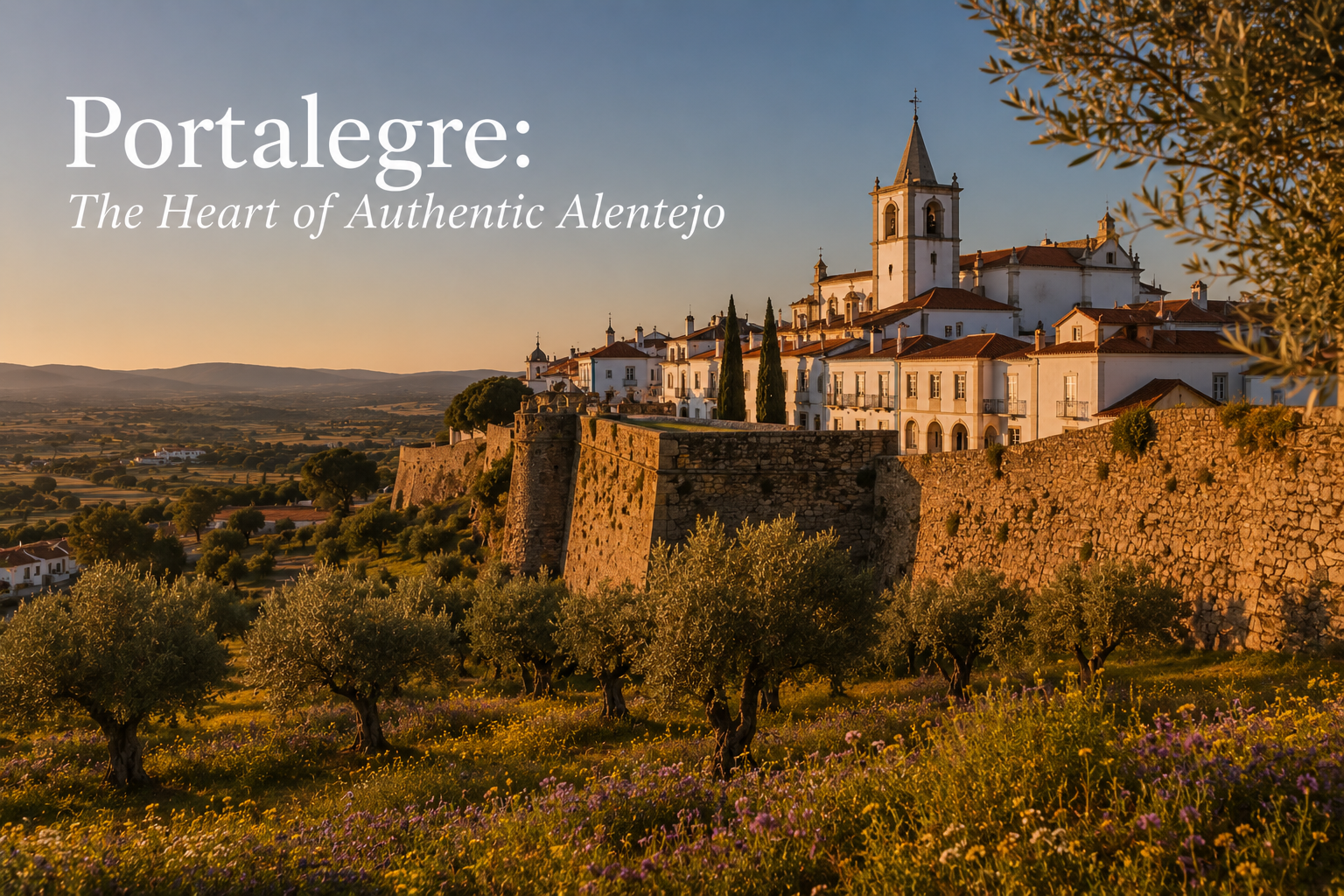
Portalegre: The Heart of Authentic Alentejo
Tucked beneath the Serra de São Mamede mountains, Portalegre offers a different perspective on the Alentejo.
While much of the region is known for rolling plains and vineyards, Portalegre combines mountain landscapes, historic villages and deeply rooted traditions. Renowned for its centuries-old tapestry weaving, exceptional olive oils and slower pace of life, it captures the authenticity that has long defined inland Portugal.
The region's cuisine reflects the rich agricultural traditions of northern Alentejo, where hearty flavours and local ingredients take centre stage. Travellers can enjoy dishes such as slow-cooked lamb, wild game, traditional migas, artisan cheeses and cured meats, often accompanied by excellent wines from the nearby Portalegre sub-region. Olive oil production remains an important part of local life, and visits to family-run estates offer insight into one of Portugal's most celebrated culinary traditions.
Portalegre also serves as an ideal base for exploring some of Portugal's most beautiful historic villages. The hilltop village of Marvão, dramatically perched above the surrounding plains, offers breathtaking views and remarkably preserved medieval architecture, while nearby Castelo de Vide charms visitors with its whitewashed streets, Jewish quarter and relaxed atmosphere. After a day of exploration, travellers can retreat to Portalegre Palace, a beautifully restored boutique hotel that combines historic elegance with contemporary comfort, providing an intimate and authentic introduction to this lesser-known corner of Portugal.

A Different Way to Experience Portugal
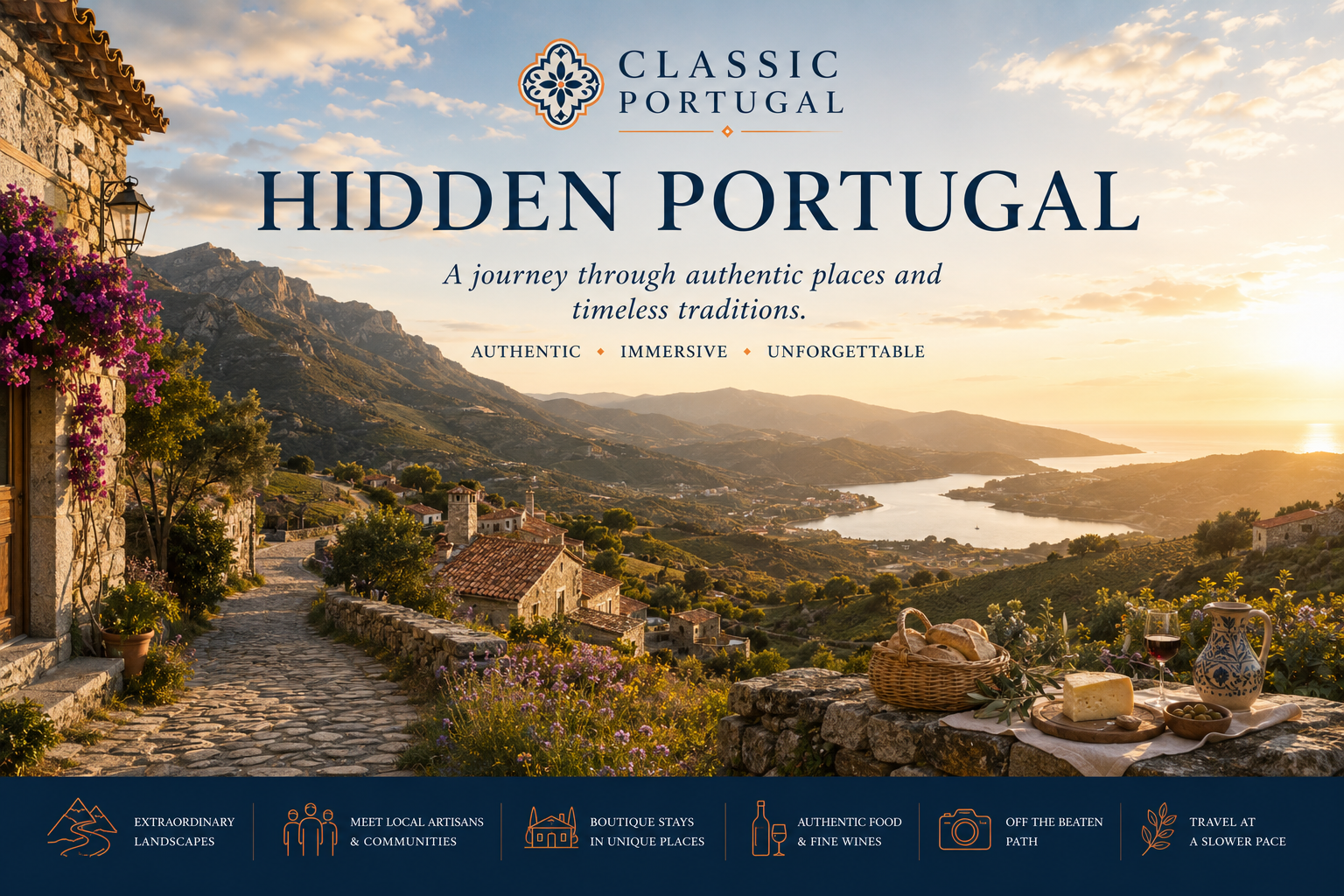
If you want to discover a side of Portugal that many travellers never encounter, consider our Hidden Portugal journey. Because sometimes the most memorable journeys begin where the guidebooks end.
Ready To Experience Portugal Differently?
Whether you're dreaming of a wine-focused escape, a family adventure, a romantic celebration, or a grand tour of Portugal, we'll create a journey designed entirely around you.
Let's start planning.


