Ancient trees, golden landscapes and one of the purest expressions of Portugal's relationship with the land.
There is a moment at almost every Portuguese table when the olive oil appears. Perhaps it is poured into a small dish beside warm bread. Drizzled generously over grilled fish. Swirled across a bowl of soup. Or simply combined with ripe tomatoes and a scattering of sea salt. It seems effortless. Everyday, even.
Yet inside that small pool of golden-green oil lies a story thousands of years in the making. To understand Portuguese olive oil is to understand something of Portugal itself: its landscape, its history, its food and, above all, its enduring connection to the land.
An Ancient Portuguese Story
The olive tree has been growing on the Iberian Peninsula for thousands of years. Phoenicians, Romans and later the Moors all contributed to the development of olive cultivation and production, leaving influences that remain woven into Portuguese culture today. Even the Portuguese word for olive oil, azeite, has Arabic origins, derived from az-zayt — the juice of the olive.
But you don't need to open a history book to find evidence of this ancient relationship. You simply need to travel into the Portuguese countryside. Here, old olive trees twist towards the sky beside stone walls and country lanes. Some have been standing for centuries, their thick, sculptural trunks shaped by generations of wind, sun and harvests. They are not merely crops. They are part of the landscape.
The Olive Groves of the Alentejo
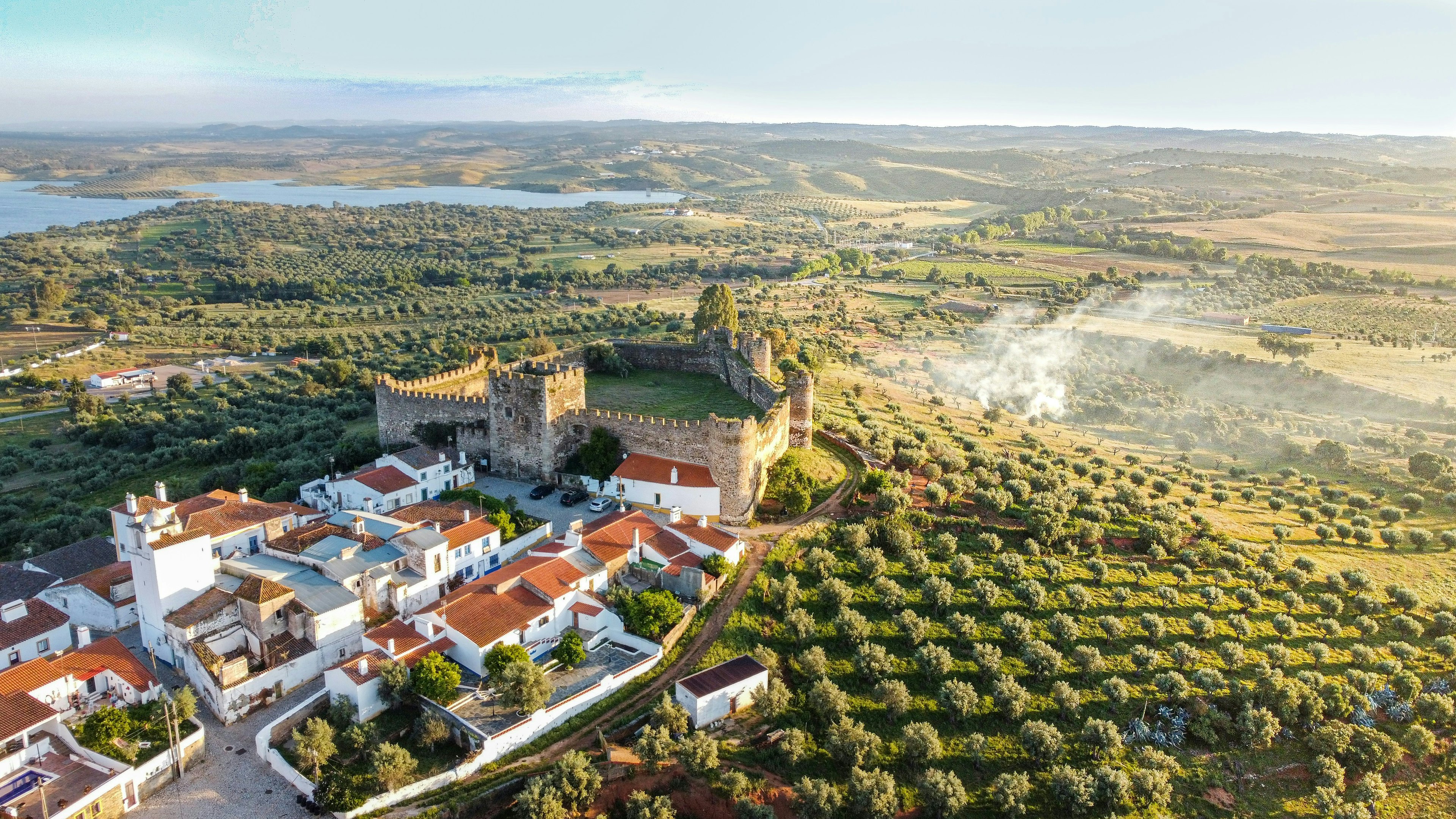
Nowhere is this relationship easier to experience than in the Alentejo. Drive beyond Lisbon and the landscape gradually opens. Cities give way to rolling plains. Cork oaks appear along quiet roads. Vineyards stretch across low hills. Whitewashed villages sit beneath enormous blue skies. And everywhere, there are olive trees.
The Alentejo has become Portugal's great olive-producing heartland, but olive oil here is about far more than volume. Across the region, estates are combining generations of agricultural knowledge with modern milling techniques to produce exceptional extra virgin olive oils.
For the traveller, visiting one of these estates offers something even more valuable: a glimpse into the rhythms of rural Portugal. Walk through the groves with someone who knows the trees. Learn why one olive is harvested while still green and another left to ripen. Visit the lagar, the olive mill, where fruit is transformed into oil.
Then taste the result only metres from where the olives were grown. Suddenly, olive oil becomes much more than an ingredient. It becomes a place.
From Olive to Oil
The olive harvest traditionally takes place during the cooler months, when families and communities gather to collect the fruit. Methods have evolved, particularly on larger estates, but one principle remains essential to producing outstanding olive oil: speed. Once harvested, high-quality olives need to reach the mill quickly.
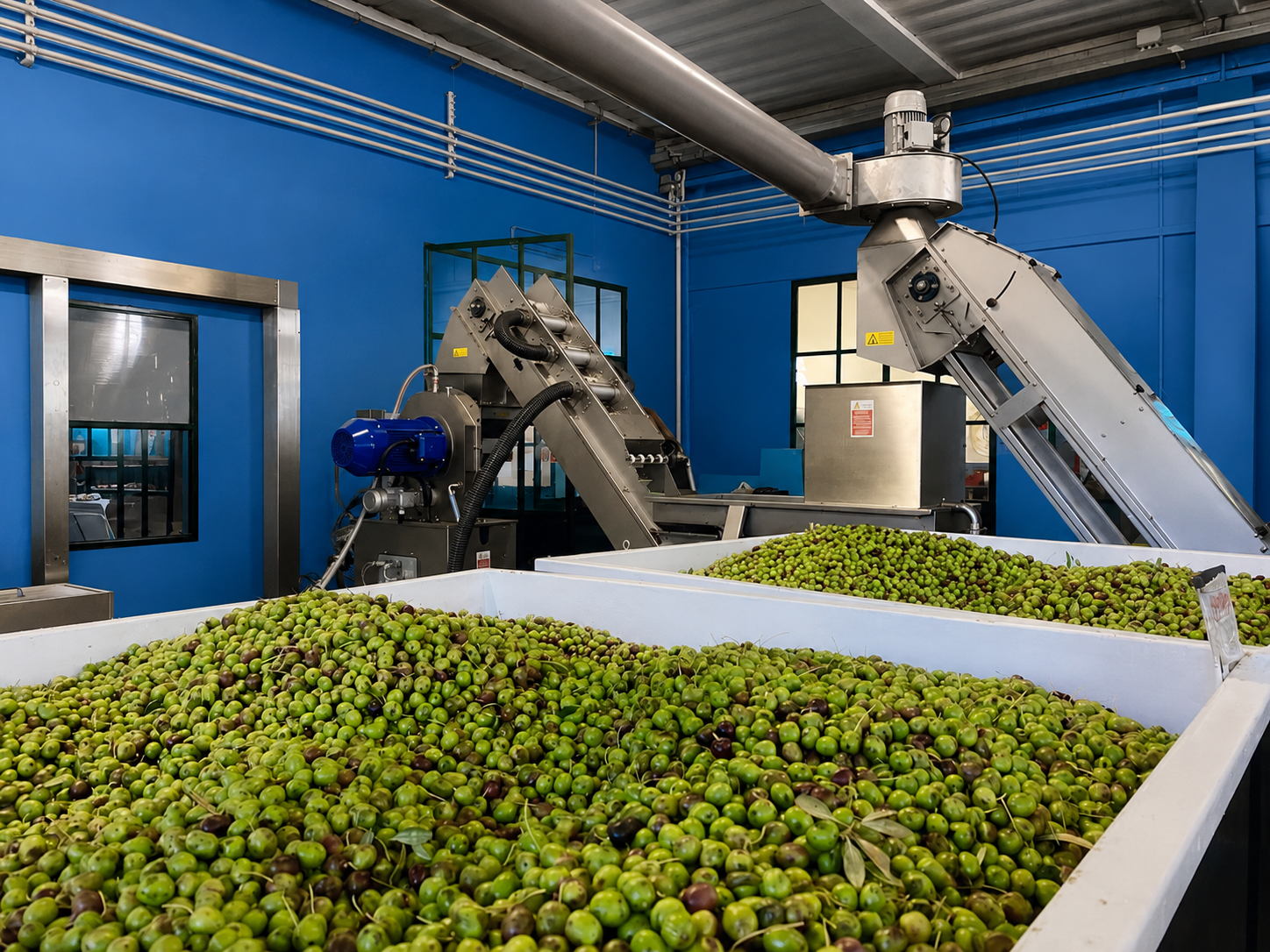
At the lagar, they are cleaned, crushed and processed to separate the precious oil from the fruit. Taste freshly produced extra virgin olive oil and the experience can be surprising. Forget the anonymous bottle sitting at the back of the kitchen cupboard. Fresh Portuguese olive oil can smell intensely alive. Green grass. Tomato leaf. Fresh herbs. Almonds. Fruit.
Take a sip and there may be bitterness followed by a distinctive peppery warmth at the back of your throat. It is complex, vibrant and unmistakably connected to the fruit from which it came.
Olive Oil Has Terroir Too
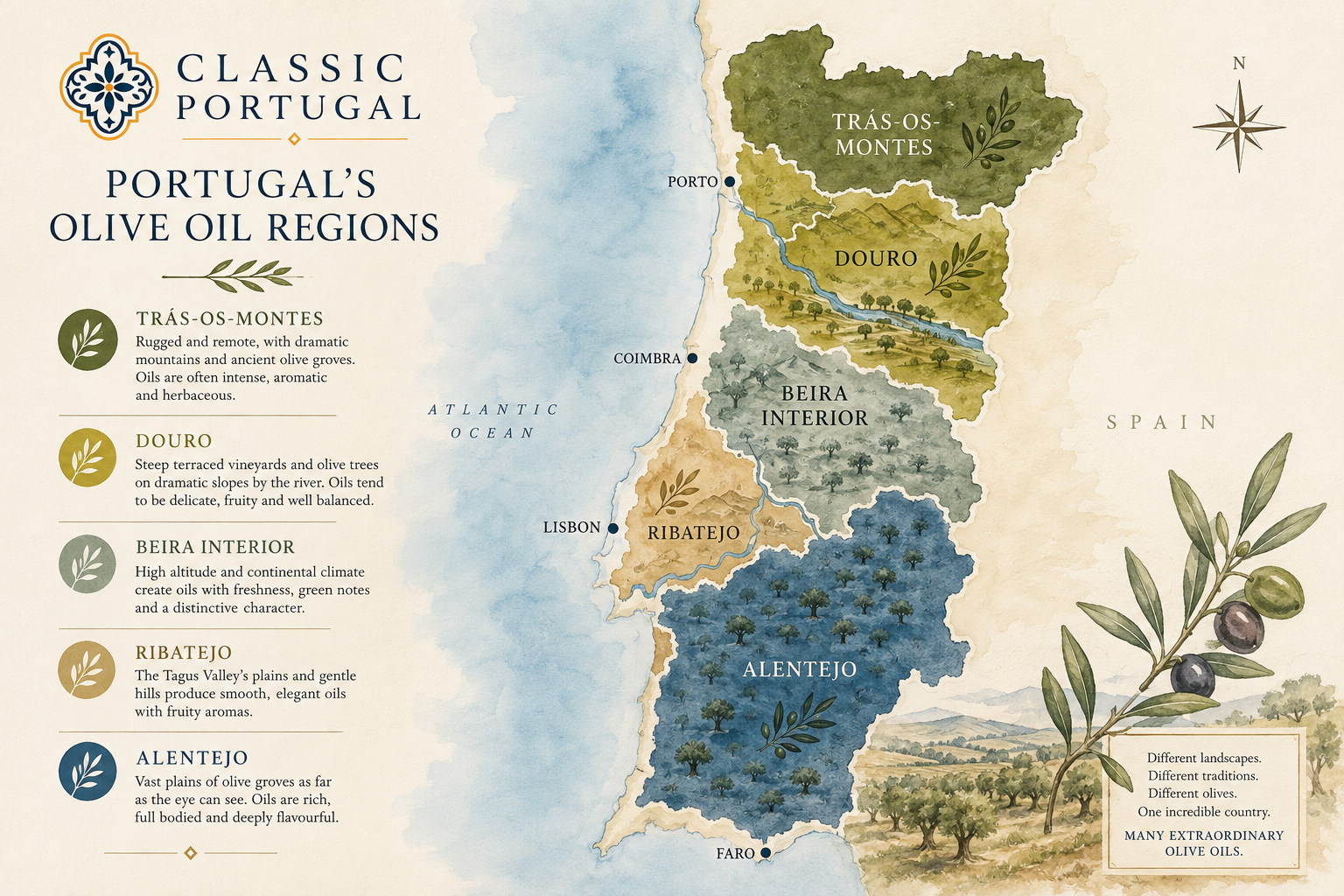
Wine lovers understand the idea of terroir: that soil, climate, landscape and human decisions shape what we taste in the glass. Olive oil deserves the same attention.
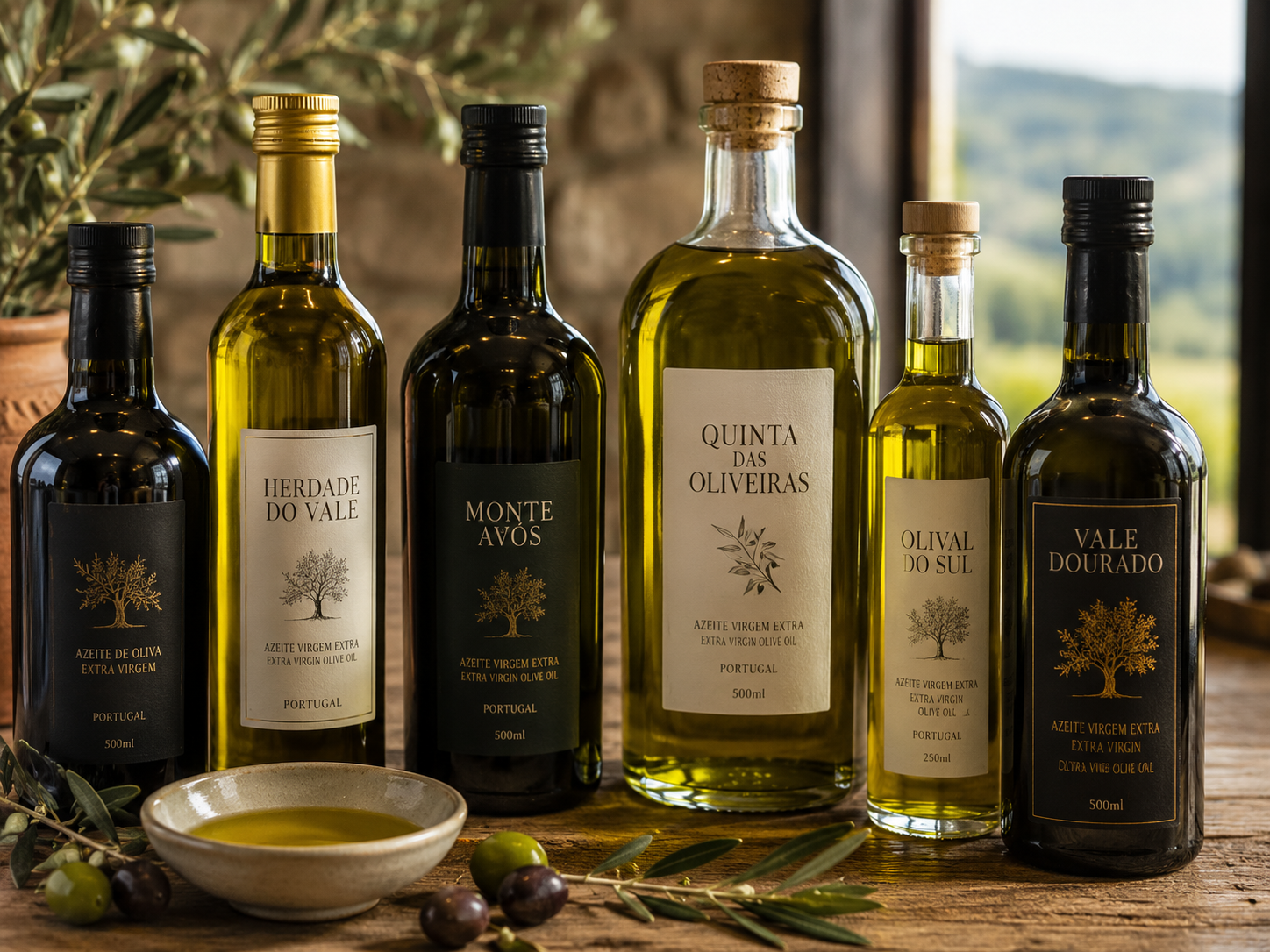
Portugal has numerous native olive varieties, including Galega, Cobrançosa, Cordovil and Verdeal. Each brings different characteristics, while the moment of harvest, growing conditions and production methods add further layers. Travel north and the story changes again. The olive landscapes of Trás-os-Montes feel different from those of the Alentejo. Olive trees also form part of the extraordinary agricultural mosaic of the Douro, where vines tumble down steep terraces towards the river.
There isn't one Portuguese olive oil. There are many. And tasting them in the landscapes where they originate is one of the most rewarding ways to understand the country's regional diversity.
At the Portuguese Table
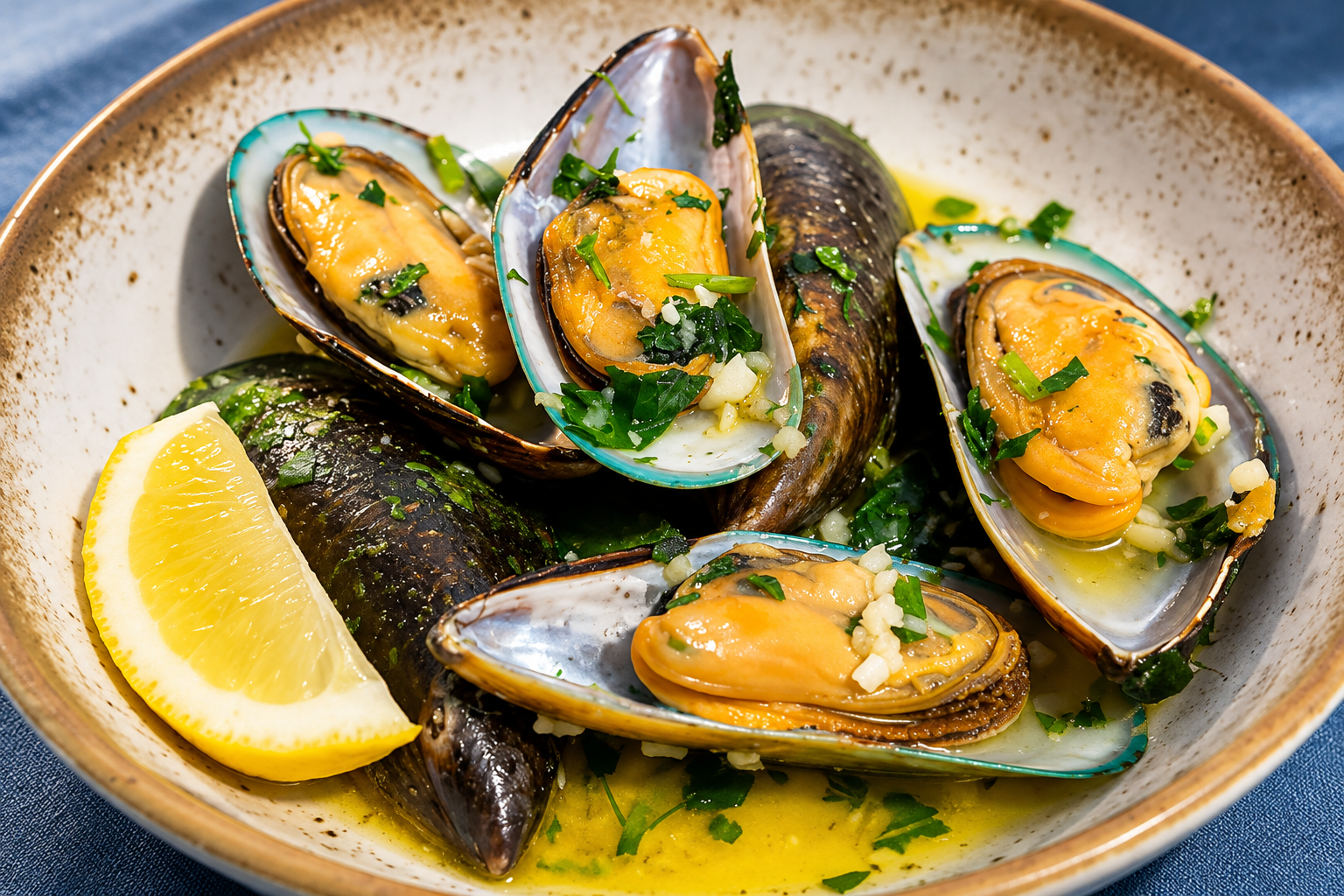
Ultimately, however, Portuguese olive oil belongs at the table. It is part of the quiet simplicity that makes Portuguese food so compelling. Exceptional ingredients are rarely asked to disguise themselves. A piece of good bread, a ripe tomato, a little sea salt. Fresh olive oil. Nothing needs embellishment.
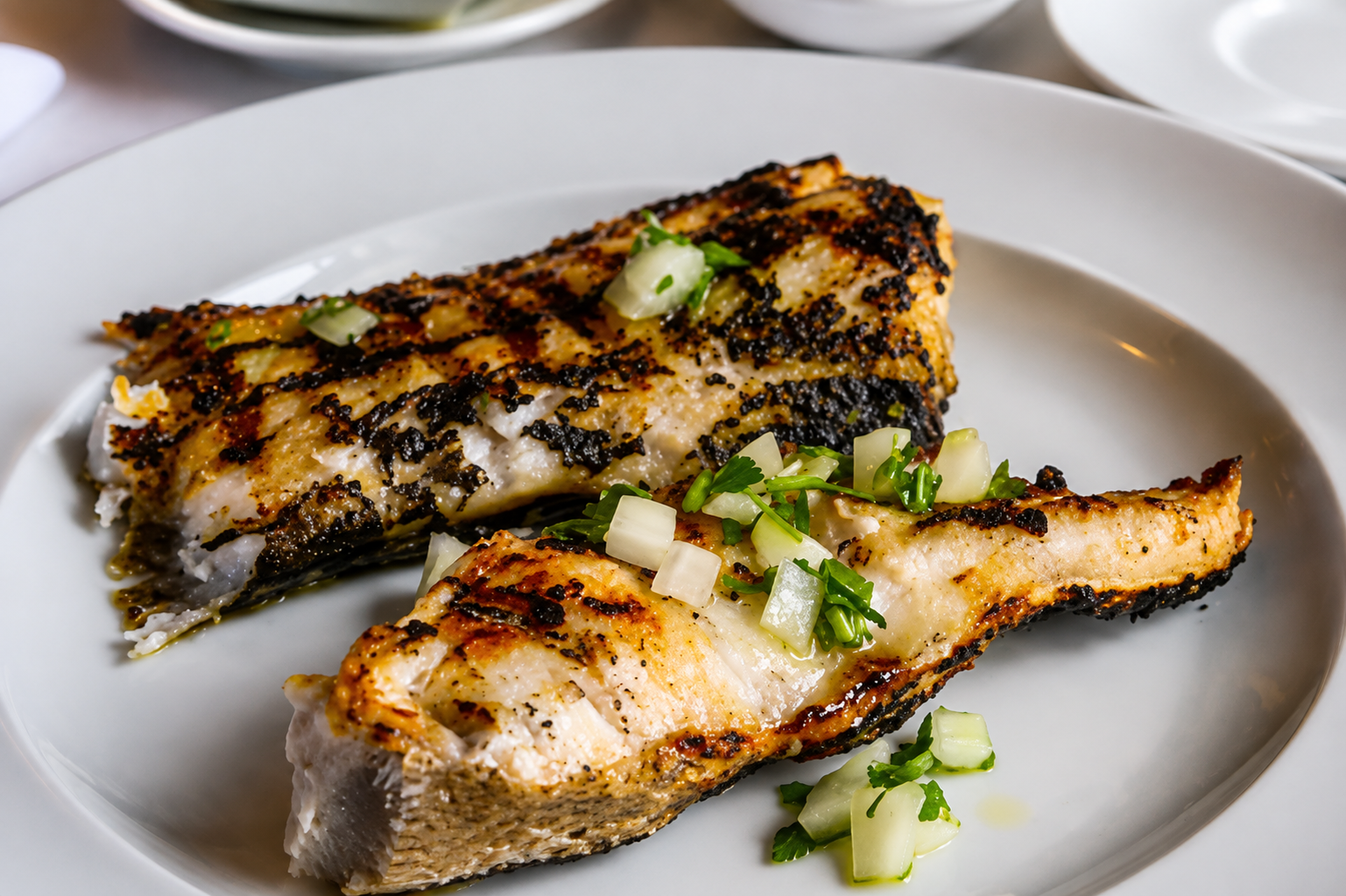
Perhaps that is why some of the meals we remember most aren't necessarily the most elaborate. They are the long lunches beneath the shade of an olive tree. The freshly grilled fish beside the Atlantic. The bread placed on the table before anyone has looked at a menu. The bottle of olive oil produced by the family whose land surrounds you. In those moments, food stops being something you simply consume. It becomes part of the journey.
Tasting Portugal at Its Source
This is the Portugal we love sharing with travellers. Beyond the famous monuments and celebrated cities is another Portugal, discovered through the people who farm, fish, bake, cook and make wine.
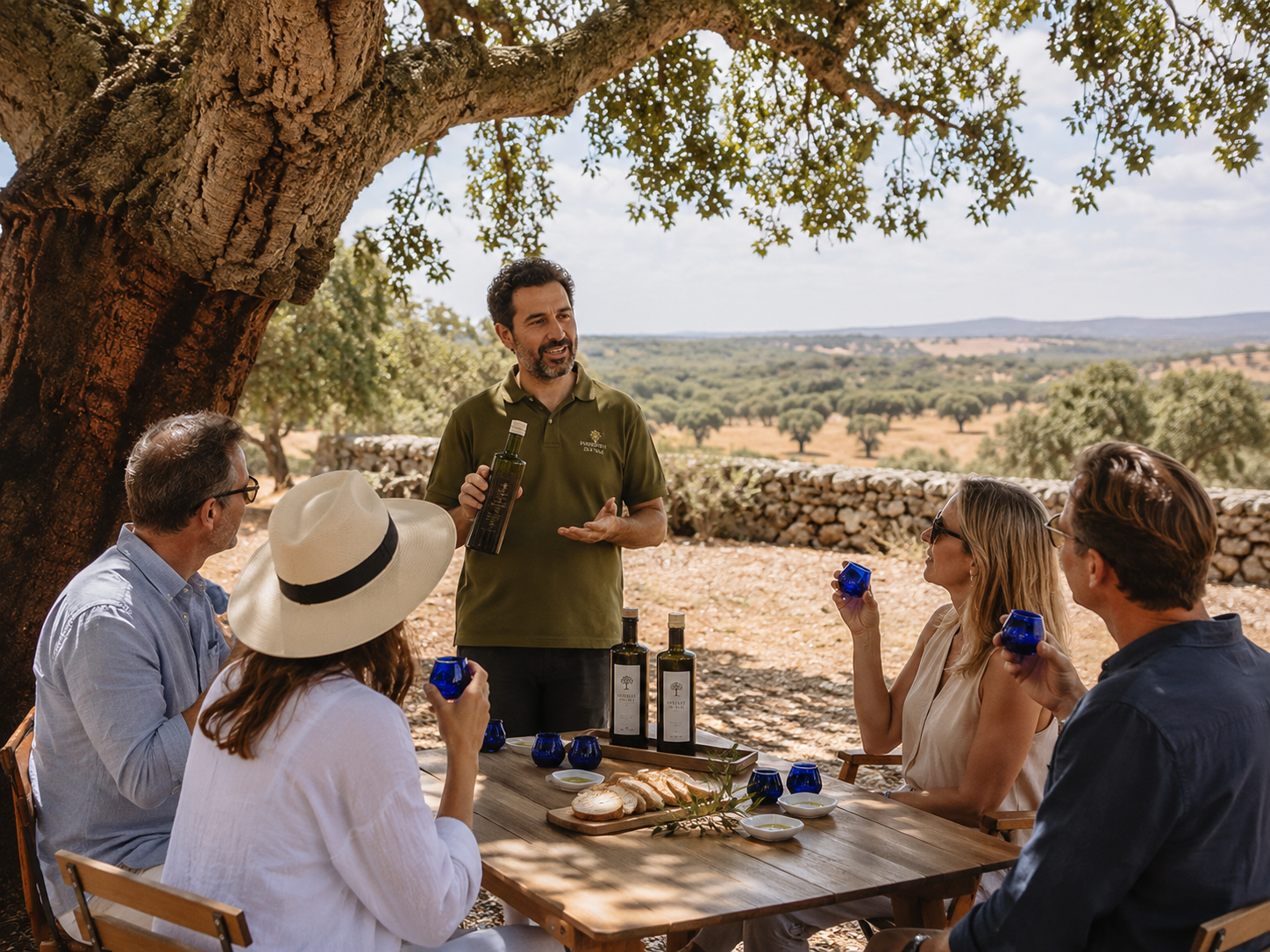
Olive oil opens a door into that world. A private visit to an olive estate might begin among ancient trees and continue inside the mill, learning how the year's harvest is transformed.
Then comes the tasting. Different oils are poured and compared. You learn to notice aroma, fruitiness, bitterness and that wonderful peppery finish.
And afterwards, perhaps there is lunch. Local bread, cheeses and vegetables arrive at the table. A bottle of Alentejo wine is opened. Olive oil from the trees you have just walked among is poured generously across the food. There is no rush. Outside, the silver-green leaves move gently in the afternoon breeze. And this, more than any tasting note or history lesson, is how you begin to understand Portuguese olive oil.
A Taste That Takes You Back
Eventually, you return home. Perhaps there is a bottle of olive oil carefully wrapped inside your suitcase. One evening you open it. You pour a little onto warm bread and recognise the fragrance immediately. Green, herbaceous, perhaps slightly fruity. Then comes that familiar peppery finish.
And for a moment, you're somewhere else. Back beneath an enormous Alentejo sky. Walking between rows of olive trees. Sitting around a table where lunch somehow lasted until late afternoon. This is why we believe the best journeys through Portugal are experienced through all the senses. Because sometimes the story of a country isn't found in a museum or written in a guidebook.
Sometimes, it is poured onto a piece of bread.

Ready To Experience Portugal Differently? ✨
Whether you're dreaming of a wine-focused escape, a family adventure, a romantic celebration, or a grand tour of Portugal, we'll create a journey designed entirely around you.
Let's start planning.
Schedule Your Complimentary Consultation